
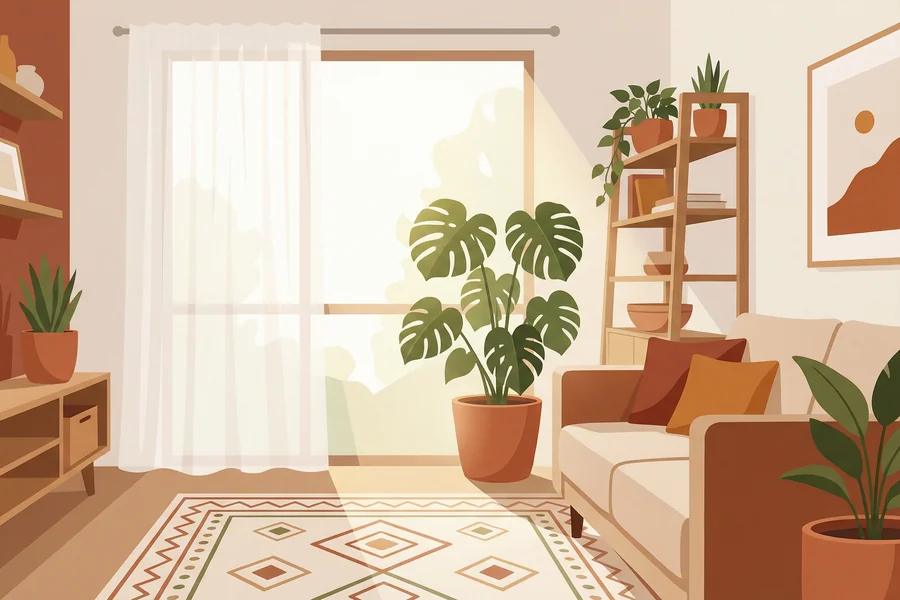
When I brought home my very first Monstera, the care tag had a simple instruction: “Provide bright indirect light.” It sounded easy enough. I placed it right next to my south-facing window, thinking I was giving it the best possible start. Within a week, the beautiful green leaves developed crispy brown scorch marks. That was the moment I realized that “bright indirect light” is one of the most misunderstood terms in the houseplant world.
If you are confused about what bright indirect light actually means, you are certainly not alone. Most tropical houseplants thrive in this specific lighting condition because it mimics the dappled sunlight they receive under the forest canopy in their natural habitats. In this guide, I will break down exactly what bright indirect light is and how you can easily create it in your own home.
Defining Bright Indirect Light
To understand indirect light, we first need to define direct light. Direct light means the sun’s rays are physically hitting the leaves of your plant without any barrier. If you can draw a straight, uninterrupted line from the sun to your plant’s leaves, that is direct sunlight.
Bright indirect light, on the other hand, means the plant is in a very bright spot, but the harsh, direct rays of the sun are filtered, diffused, or blocked before they reach the foliage. The room is filled with ambient light, allowing the plant to photosynthesize effectively without the risk of sunburn.
For example, if you have a [Lemon Lime Philodendron](https://leafplantgarden.com/how-to-care-for-a-lemon-lime-philodendron-brighter-leaves-longer-vines-and-fewer-mistakes/), placing it in bright indirect light will keep its neon leaves vibrant. If the light is too direct, those delicate leaves will quickly bleach and burn.
The Simple Shadow Test
You don’t need a fancy light meter to determine if a spot in your home provides bright indirect light. The easiest way to check is by using the “Shadow Test.”
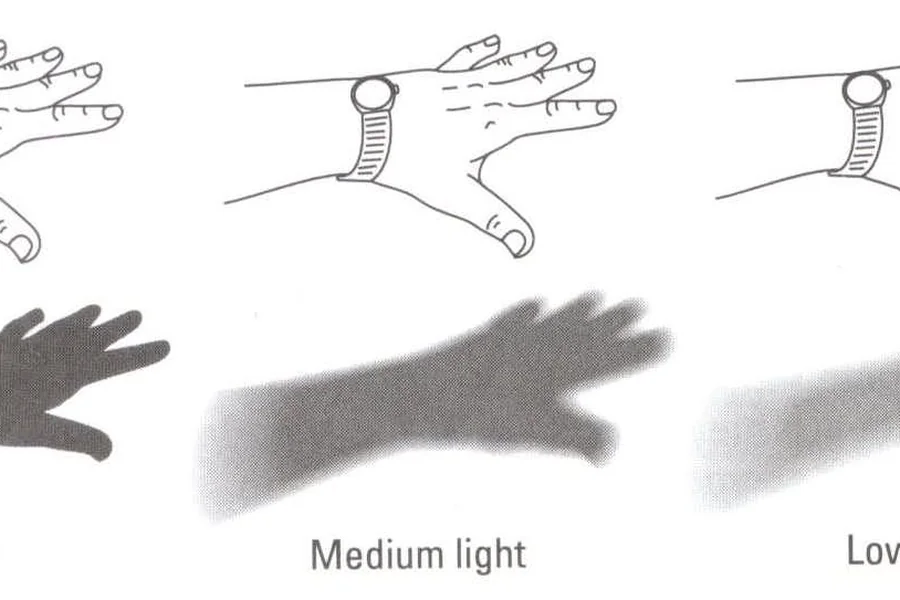
Wait for the brightest part of the day, usually around noon to early afternoon. Hold your hand about 12 inches above the spot where you want to place your plant, and look at the shadow it casts on the floor or table.
– Sharp, dark shadow with crisp edges: This indicates direct sunlight.
– Fuzzy, soft shadow with blurred edges: This is the sweet spot! You have found bright indirect light.
– Faint, barely visible shadow: This indicates low light, which might be suitable for a [Snake Plant or ZZ Plant](https://leafplantgarden.com/snake-plant-vs-zz-plant/), but won’t be enough for most tropicals.
How to Create Bright Indirect Light Indoors
If your home doesn’t naturally have the perfect lighting setup, don’t worry. There are several easy ways to modify the light you do have to keep your plants happy.
1. Pull the Plant Back from the Window
Light intensity drops dramatically the further you move away from the source. If you have a bright south-facing or west-facing window that gets harsh afternoon sun, simply moving your plant 3 to 5 feet back into the room can transform direct light into bright indirect light.
2. Use Sheer Curtains
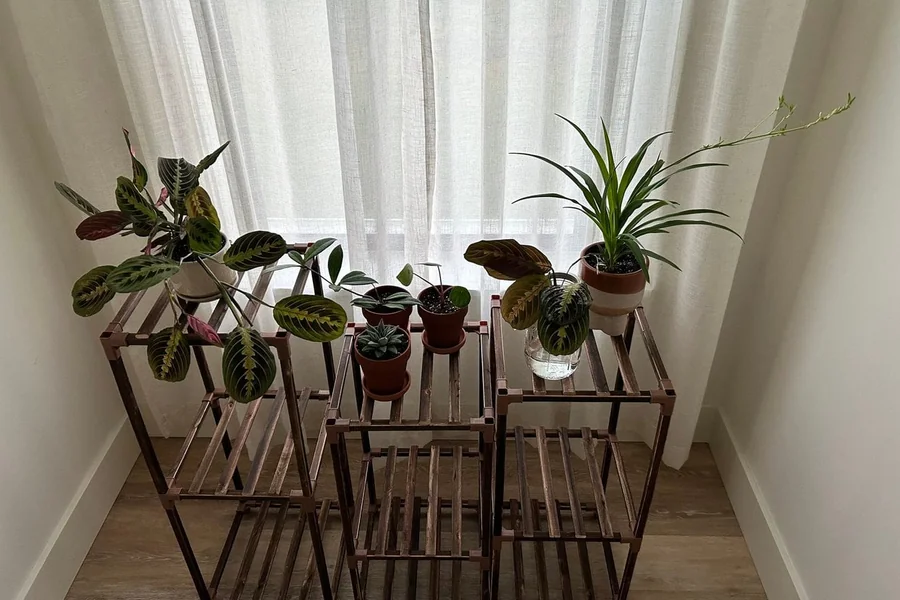
This is my favorite trick. Hanging a sheer white curtain over a sunny window acts as a perfect diffuser. The curtain scatters the harsh sun rays, filling the room with a soft, bright glow. This is an excellent solution for sun-sensitive plants like the Monkey Earring Plant, which needs bright light to keep its foliage dense but will easily scorch in direct sun.
3. Utilize East or North-Facing Windows
An east-facing window is often the holy grail for houseplants. It provides gentle, cool morning sun (which is usually weak enough not to count as harsh direct light) and bright indirect light for the rest of the day. North-facing windows provide indirect light all day long, though it may lean more towards medium or low light depending on the season.
Signs Your Plant Isn’t Getting the Right Light
Plants are excellent at telling us when they are unhappy with their lighting situation.
if the light is too bright (Direct Sun):
– Leaves develop crispy, brown, or bleached spots (sunburn).
– The soil dries out incredibly fast.
– The plant looks washed out or pale.
If the light is too low:
– The plant becomes “leggy,” meaning there is a lot of stem between the leaves as it stretches toward the nearest light source.
– New leaves are noticeably smaller than older leaves.
– Variegated plants, like pink-foliage varieties, may lose their colorful patterns and revert to solid green.
Finding the perfect lighting for your indoor jungle takes a bit of observation and adjustment. By mastering bright indirect light, you are giving your plants the closest thing to their natural environment, setting them up for years of healthy, vibrant growth.
