
When I first started my indoor plant journey, I thought watering was the only thing I needed to master. I would bring home beautiful, lush plants, place them wherever they looked best in my living room, and then watch in dismay as they slowly lost their vigor. It took a few heartbreaking losses for me to realize the truth: light is the most critical factor in indoor plant care. Without the right light, even the most perfect watering schedule won’t save a plant.
If you have ever watched a beloved houseplant stretch desperately toward a window or develop scorched, crispy leaves, you are not alone. In this ultimate indoor plant light guide, I want to share the practical, experience-based knowledge I have gathered over the years to help you understand exactly what your plants need to thrive.
Understanding Indoor Plant Light Levels
The biggest challenge for most plant parents is decoding what plant tags actually mean. Terms like “bright indirect light” or “low light” can feel incredibly vague. Let’s break down these common light levels based on real-world placement in your home.
1. Bright Direct Light
This is the most intense light you can provide indoors. It occurs when the sun’s rays hit the plant’s leaves directly, usually right in front of an unobstructed south-facing or west-facing window. While most common houseplants will burn in these conditions, sun-loving plants like succulents, cacti, and certain herbs will soak it up happily.
2. Bright Indirect Light
This is the sweet spot for the vast majority of tropical houseplants. Bright indirect light means the plant is in a very bright room, but the sun’s rays are not directly hitting the foliage. You can achieve this by placing plants a few feet away from a sunny window or by using a sheer curtain to filter the light. If you are growing variegated beauties, such as the Philodendron Pink Princess, providing consistent bright indirect light is essential for maintaining their stunning colors.
3. Medium Light
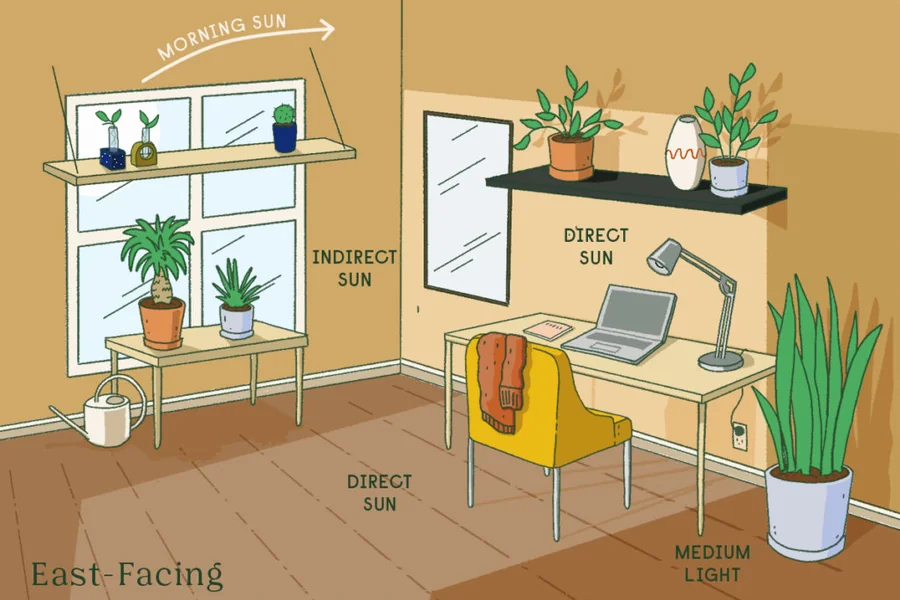
Medium light is typically found in an east-facing window (which gets gentle morning sun) or several feet back from a south or west-facing window. Plants in medium light will cast a soft, blurry shadow. Many adaptable plants, like Pothos and Philodendrons, do exceptionally well in these conditions.
4. Low Light
Low light does not mean no light! A windowless bathroom or a dark hallway is not suitable for any living plant. Low light usually refers to north-facing windows or corners that are quite far from any natural light source. If you have a dimly lit space you want to green up, I highly recommend checking out these [top 10 low-light indoor plants](https://leafplantgarden.com/top-10-low-light-indoor-plants/) that are naturally adapted to the shaded forest floor.
The Simple “Shadow Test”
You don’t necessarily need expensive light meters to figure out your home’s lighting. One of the best tricks I have learned is the simple shadow test.
On a bright day, hold your hand about 12 inches above the spot where you want to place your plant and look at the shadow it casts:
– A sharp, clearly defined shadow indicates bright, direct light.
– A slightly fuzzy but still recognizable shadow means bright indirect or medium light.
– A faint, barely visible shadow points to low light.
If you want to get more precise, you can use smartphone apps that measure foot-candles or lux, but I find the shadow test is usually more than enough for everyday [plant care basics](https://leafplantgarden.com/beginners-guide/plant-care-basics/).
Signs Your Plant is Unhappy with Its Light
Plants are excellent communicators if we know how to listen. Over the years, I have learned to spot the early warning signs of light-related stress before it becomes a major issue.
Signs of Too Little Light:
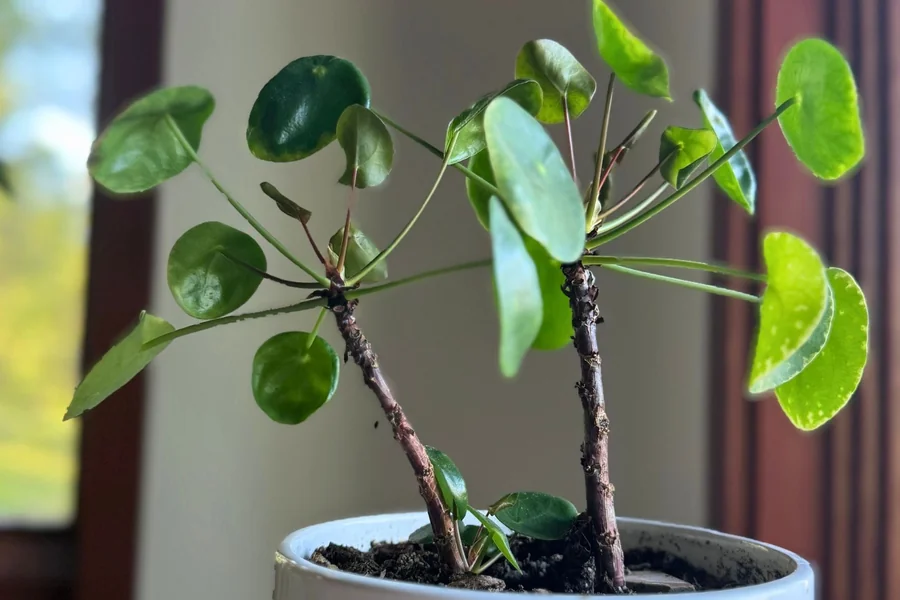
– Leggy Growth: The plant stretches out, with long spaces between leaves, reaching for the nearest light source.
– Loss of Variegation:Beautifully patterned leaves revert to solid green to maximize photosynthesis.
– Slow or Stalled Growth: The plant simply stops growing, even during the spring and summer months.
– Overwatering Symptoms: Without enough light to process water, the soil stays wet too long, leading to common plant problems like root rot.
Signs of Too Much Light:
– Crispy, Brown Edges: The leaves look scorched or bleached, especially on the side facing the window.
– Faded Colors: The vibrant green foliage looks washed out or pale.
– Wilting:Even when the soil is moist, the plant droops because the intense heat and light are causing it to lose water faster than it can absorb it.
Final Thoughts
Finding the perfect spot for your houseplants might take a little trial and error, and that is completely okay. Don’t be afraid to move your plants around if they don’t seem happy. Observe how the light shifts in your home throughout the day and across different seasons.
By understanding these fundamental light requirements, you are taking the most important step toward building a lush, thriving indoor jungle. Happy growing!
