
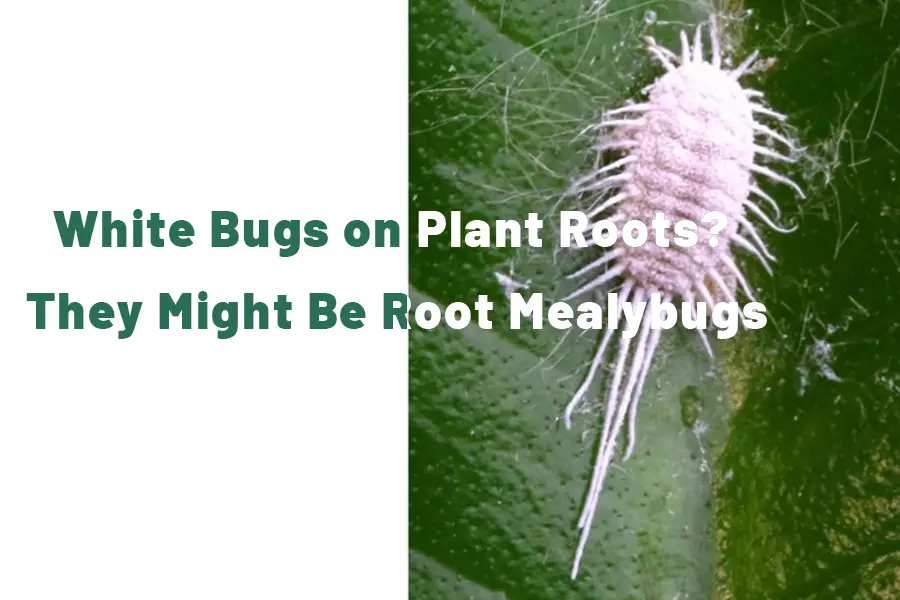
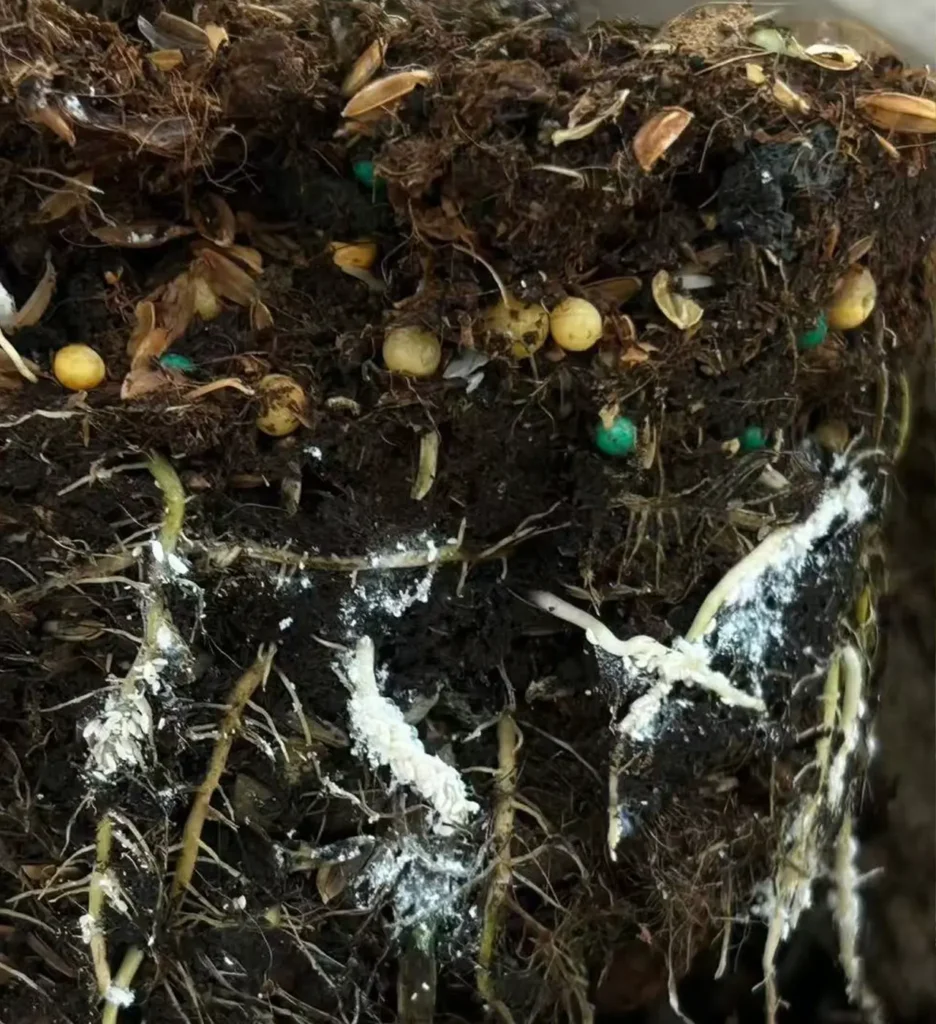
The first time I encountered root mealybugs, I didn’t even realize anything was wrong. The plant looked fine above the soil—maybe a little slower than usual, maybe not as fresh as I expected, but nothing dramatic. It wasn’t until I repotted it and saw clusters of white, cotton-like specks clinging to the roots that I understood what the problem was.
If you’re noticing the same thing—tiny white insects hiding in the potting mix or on the root system—there’s a good chance you’re dealing with root mealybugs. They can be frustrating, sneaky, and surprisingly damaging when left unchecked. But with the right information and a bit of patience, it’s absolutely possible to get rid of them and help your plants recover.
This guide breaks down what root mealybugs look like, how they behave, how to confirm an infestation, and the most reliable steps to eliminate them.
What Are Root Mealybugs?
Root mealybugs are sap-sucking insects that belong to the same family as regular mealybugs (Pseudococcidae). But unlike the common mealybugs that settle on leaves and stems, root mealybugs spend most of their lives hidden in the soil, feeding silently on the plant’s root system.
How They Differ From Regular Mealybugs
- Location: Root mealybugs live underground, not on foliage.
- Appearance: They look like tiny grains of white rice covered with soft white fuzz.
- Visibility: You rarely see them unless you unpot the plant.
- Damage style: They weaken the plant from below, often long before symptoms show above ground.
Their body is around 1–3 mm long, oval-shaped, and soft. They move slowly, produce cotton-like filaments, and often cluster around feeder roots and the base of the stem.
How Root Mealybugs Get Into Potting Soil
Even careful plant owners encounter root mealybugs. They spread more easily than many people realize.
Common ways they enter your home:
- Through newly purchased plants
- Via contaminated potting soil
- From cuttings or divisions shared with rooting insects
- On pots, trays, tools, or reused soil
- By crawling from nearby infested pots
Because they stay hidden under the soil, infestations often go unnoticed until the population grows.
How to Tell If Your Plant Has Root Mealybugs
The most obvious way is to remove the plant from its pot. But there are above-soil signs worth watching.
Above-Soil Symptoms
These symptoms often look like underwatering, overwatering, or nutrient deficiency:
- Yellowing or fading leaves
- Slow or stunted growth
- Leaves dropping faster than usual
- Wilting even when soil is moist
- Poor response to fertilizing
- Thin, weak new growth
These symptoms happen because root mealybugs drain nutrients and sap from the roots, preventing the plant from taking up water effectively.
Below-Soil Confirmation
When you unpot the plant, look for:
- White cottony clusters along roots
- Tiny white oval insects moving slowly
- Sticky residue or waxy patches on root surfaces
- Bugs hiding in drainage holes
You may also notice ants inside the pot—an indicator they’re feeding on the honeydew produced by mealybugs.
Why Root Mealybugs Are Difficult to Treat
These insects have a few traits that make them persistent:
- They live below the soil, away from most spray treatments
- Eggs are protected inside cottony masses
- They move between pots through drainage holes
- They can survive in tiny soil crevices, even after repotting
- Infested soil can remain contaminated for months
Because of this, effective treatment requires a combination of physical cleaning, chemical treatment, and environmental control.
How to Get Rid of Root Mealybugs
Here is the complete approach I use when treating root mealybugs. You don’t need to do everything at once, but combining steps significantly improves success rates.
Step 1 — Unpot the Plant and Wash the Roots
Carefully remove the plant from its pot and shake away loose soil. Then:
- Rinse the roots under lukewarm water
- Gently wash away all visible insects
- Remove any cottony clusters with your fingers or a soft brush
Severely infested fine roots may need trimming.
Step 2 — Soak the Roots in a Treatment Solution
Two effective soak options:
Option A: Insecticidal Soap Solution
- Mix insecticidal soap with water (follow label instructions)
- Soak the roots for 10–20 minutes
Option B: Neem Oil Solution
- Mix neem oil with warm water and a small amount of mild soap
- Soak for 15–20 minutes
Both treatments suffocate insects and disrupt their waxy coating.
Step 3 — Discard Infested Soil
Never reuse the potting mix. Root mealybugs, eggs, and crawlers can survive in leftover soil.
What to do instead:
- Dispose of the old soil in a sealed bag
- Wash the pot thoroughly using hot water and dish soap
- Disinfect using rubbing alcohol or diluted bleach (10%)
Step 4 — Repot Into Fresh Soil
Choose a well-draining mix appropriate for your plant species. Avoid overly dense or moisture-retentive substrates, which help pests hide.
Adding a soil drench insecticide (systemic) at this stage is optional but very effective, especially for severe infestations.
Step 5 — Apply Systemic or Soil-Drench Treatments
Root mealybugs respond well to:
- Imidacloprid (systemic granules or liquid)
- Spinosad soil drench
- Pyrethrin-based drenches
These insecticides reach the insects through the plant’s vascular system or contact, ensuring deeper penetration than surface sprays.
Always follow product instructions carefully.
Step 6 — Monitor Every 2–3 Weeks
Check the plant and soil periodically for signs of recurrence. Early detection prevents another full-scale infestation.
Helpful habits:
- Inspect drainage holes for white specks
- Watch for sudden wilting
- Repot immediately if you suspect a resurgence
Are Root Mealybugs Dangerous to Plants?
Yes—if left untreated. They slowly weaken the plant from below and can cause:
- chronic nutrient deficiency
- halted growth
- continuous leaf drop
- stunted or misshapen new growth
- root decay
- eventual death of severely infested plants
The good news is that plants usually recover well once the pests are eliminated and new, healthy roots begin to form.
How to Prevent Root Mealybug Infestations
Once you’ve dealt with them, prevention becomes your best friend.
A few simple ways to prevent re-infestation:
- Always inspect new plants before introducing them indoors
- Use fresh potting soil for repotting
- Clean pots, trays and tools before reuse
- Avoid allowing water to stagnate in saucers
- Isolate suspicious plants for 2–4 weeks
- Add a layer of diatomaceous earth to the soil surface (optional)
Good hygiene and careful observation go a long way.
Final Thoughts
Root mealybugs can be unsettling when you first discover them, especially because they stay hidden until the damage becomes noticeable. But once you know what to look for—and once you understand how they behave—they’re far easier to manage.
The key steps are straightforward:
- unpot, wash, and clean
- remove contaminated soil
- treat the roots
- repot in fresh substrate
- follow up with systemic treatments
- monitor consistently
Most plants bounce back surprisingly well after the infestation is resolved.
