The Grand Scaffolding: A Comprehensive Guide to the Architecture and Mechanics of Plant Stems
While the roots anchor a plant in the dark silence of the earth, the Stem is the daring architect that reaches for the light. In the botanical kingdom, the stem is far more than just a green pillar; it is a sophisticated dual-purpose highway, a structural marvel, and a biological storage unit all wrapped in one. For seed plants , the stem is the central axis that balances the heavy burden of leaves, flowers, and fruits against the relentless pull of gravity and the battering of the wind.
In this deep-dive guide, we will explore the secret life of stems. We will dissect their external anatomy, peer through a microscope at their internal “plumbing,” and marvel at their ability to shapeshift into thorns, tubers, and climbing hooks. Whether you are a student of botany or a curious gardener, understanding the stem is the key to unlocking the structural secrets of the green world.
The Identity Card: Morphological Characteristics of the Stem
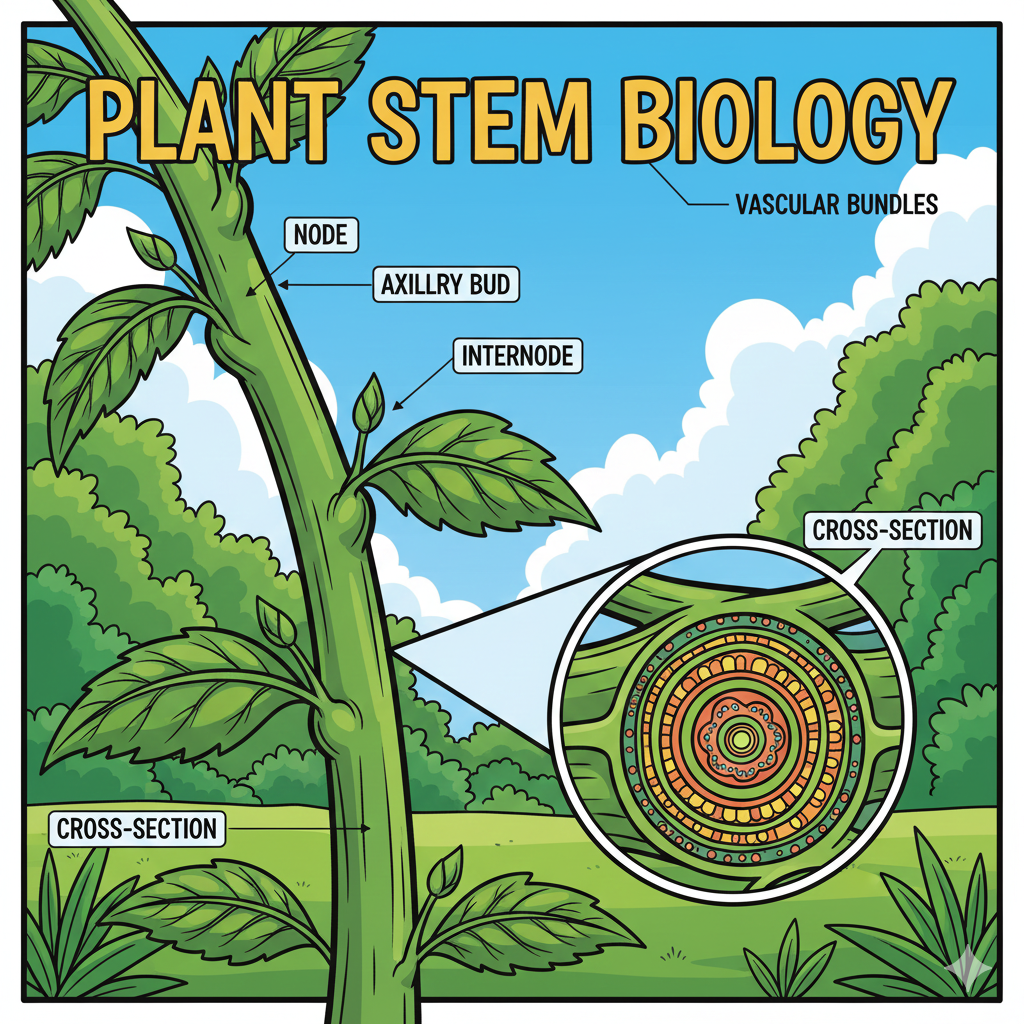
How do you differentiate a stem from a root or a leaf? Nature has provided a specific set of “ID marks” for the stem. The most fundamental characteristic of any stem is the presence of Nodes and Internodes .
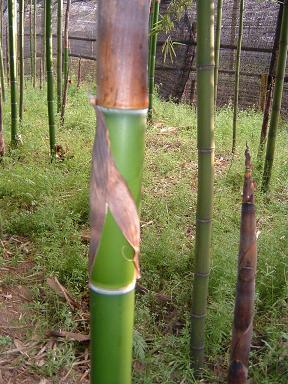
Nodes : These are the critical junction points on a stem. It is at the nodes that leaves are attached and where Axillary Buds are tucked away. If you look at a stalk of bamboo or a corn plant , the nodes are the thickened, ring-like structures that break up the long shaft.
Internodes: This is the smooth region of the stem between two successive nodes. The length of the internode determines the plant’s growth habit—long internodes result in tall, spindly plants, while short internodes create dense, bushy shapes.
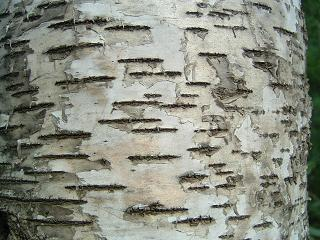
Another key feature to look for on a woody stem is the Lenticel . On the surface of many trees, you will notice tiny, raised spots. These are not scars; they are specialized pores that allow for Gas Exchange. Since the inner tissues of a woody stem are active, they need to “breathe,” and the lenticels provide a direct passage for oxygen and carbon dioxide to move in and out of the plant.
Blueprints for the Future: The Biology of Buds
If the stem is the scaffolding, then Buds are the compact blueprints for the plant’s future expansion. A bud is essentially an Embryonic Shoot—a miniature, dormant version of a branch, leaf, or flower waiting for the right environmental signal to unfurl.
1. Classification by Position
Nature organizes buds based on where they sit on the stem “ladder.”
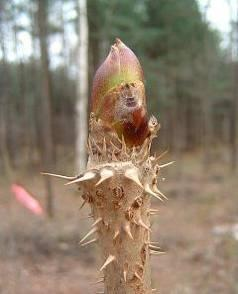
Terminal Buds : Located at the very apex (tip) of the main stem or branches. They are responsible for the plant’s height, driving vertical growth through Apical Dominance .
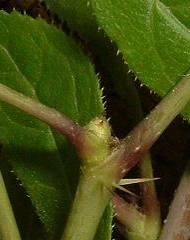
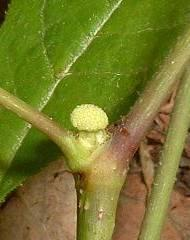
Axillary Buds: Found in the axil—the angle between the leaf and the stem. These provide the potential for side branches or flowers, creating the plant’s canopy.
Adventitious Buds : The wildcards. These buds don’t follow the rules; they can emerge from leaves, roots, or old trunks, often appearing as a survival response after a plant has been pruned or damaged.
2. Classification by Content
What’s inside the package?
Leaf Buds : These contain embryonic leaves and a tiny stem. When they open, they grow into a new branch.
Flower Buds : These are the precursors to beauty, containing only the embryos of flowers or inflorescences.
Mixed Buds : The multi-taskers. They contain the beginnings of both leaves and flowers.
。
3. Protection Strategies: Scaly vs. Naked
In temperate regions where winters are harsh, plants produce Scaly Buds . These are encased in tough, waxy Bud Scales that protect the delicate growing tissue from freezing and drying out. In contrast, many tropical plants produce Naked Buds , which lack scales entirely because they live in a constant “growth-friendly” environment.
Lifestyle Choices: Stem Growth Habits
To survive in competitive environments, stems have evolved different growth strategies to maximize their access to sunlight and space.
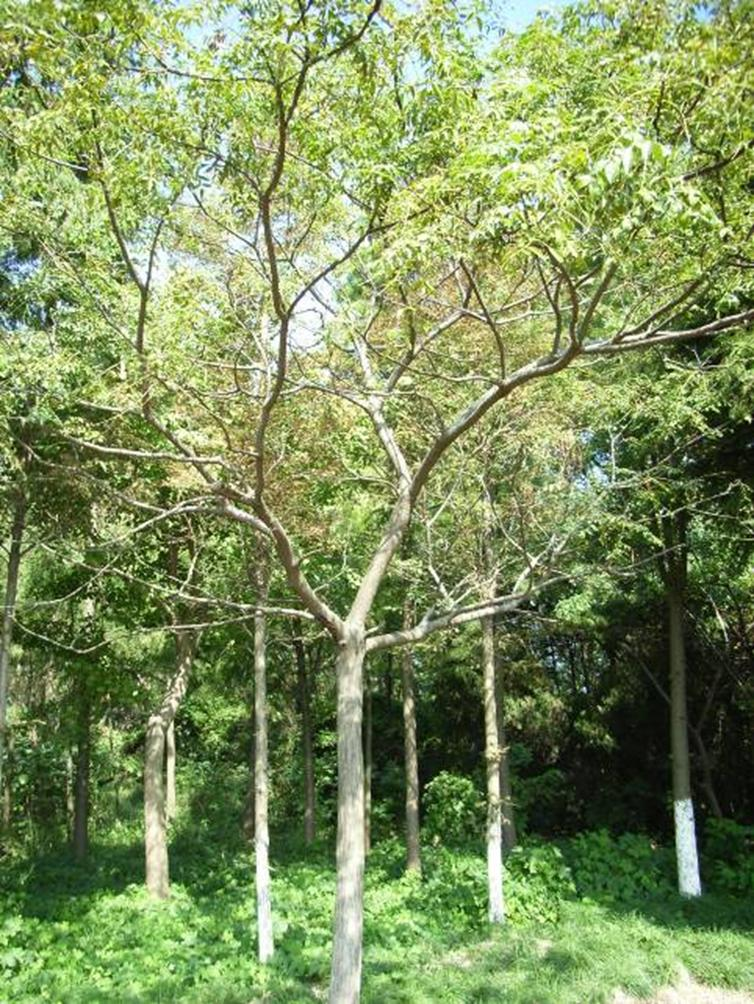
Erect Stems : The “Strong and Steady” approach. These stems have enough internal mechanical tissue to stand upright on their own, like a massive Oak or a Sunflower.
Twining Stems : The “Spiraling” strategy. Plants like Morning Glory do not have climbing tools; instead, the entire stem spirals around a support as it grows.
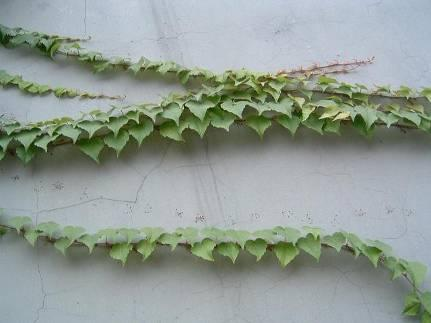
Climbing Stems : The “High-Tech” approach. These plants use specialized structures like Tendrils in grapes or Suckers in ivy to hitch a ride on other structures and climb toward the canopy.
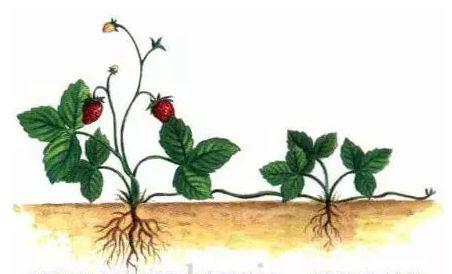
Prostrate Stems : The “Low Profile” strategy. These stems sprawl across the ground. Runners (Stolons), like those found in strawberries, take this further by rooting at the nodes to create new baby plants.
Internal Tech: The Anatomy of the Stem
To understand how a stem works, we have to look inside. The stem’s internal structure is a masterpiece of hydraulic engineering and structural support.
1. The Shoot Apex
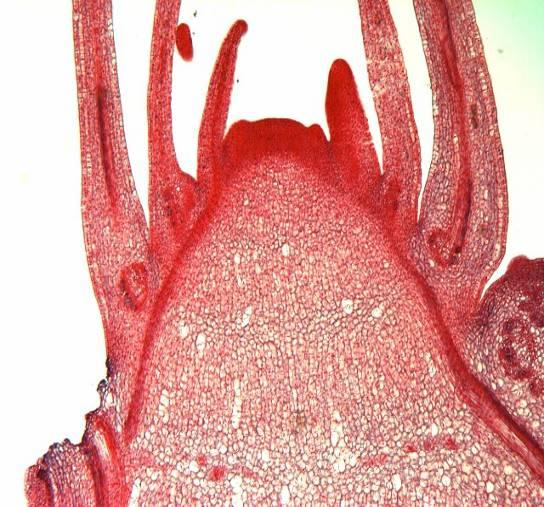
At the very tip of the stem lies the Shoot Apex , a region of intense cell division. According to the Tunica-Corpus Theory, the stem grows from a specialized organizational center. The outer layers (Tunica) divide to create the surface tissues, while the inner mass (Corpus) adds bulk to the plant body.
2. The Primary Structure
In a young dicot stem, the tissue is organized into three main regions:
Epidermis : A single layer of cells protected by a waxy Cuticle to prevent water loss.
Cortex : A layer of tissue that provides support and sometimes performs photosynthesis.
Vascular Cylinder : This is the most complex part. It contains Vascular Bundles arranged in a ring. Each bundle has Primary Phloem on the outside and Primary Xylem on the inside.
Note the difference! In stems, the xylem develops in an Endarch pattern—maturing from the inside out—which is the exact opposite of the roots’ “Exarch” pattern.
3. Monocot Stems: The Scattered Pattern
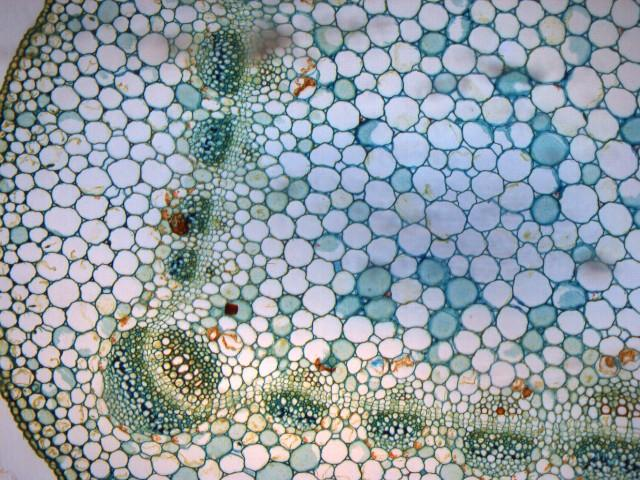
In monocots like corn, the vascular bundles aren’t in a neat ring. Instead, they are scattered throughout the ground tissue. This is why you can’t see “rings” in a cross-section of a monocot stalk.
The Shapeshifters: Specialized Stem Modifications
Sometimes, evolution dictates that a stem should stop being a stem and become something else entirely. These are known as Modified Stems .
Underground Masters
Rhizomes : These are horizontal underground stems. Think of Ginger or Lotus roots. They store food and allow the plant to spread laterally under the soil.
Tubers : The swollen, starchy tips of underground branches. The most famous example is the Potato . The “eyes” of a potato are actually axillary buds!
Bulbs : A very short, disc-like stem surrounded by thick, fleshy leaves that store food, like an Onion .
Corms : A thickened, vertical underground stem that is solid inside, unlike a bulb, found in plants like Taro .
Above-Ground Specialists
Stem Thorns : Modified branches that end in a sharp point for defense, like in Hawthorn .
Stem Tendrils : Thread-like structures that help the plant climb, like in Grapes .
Cladophylls : These are stems that have become flat and green, mimicking leaves to perform photosynthesis while the real leaves have turned into spines. Cacti and Asparagus are the masters of this disguise.
Conclusion: The Unsung Hero of the Vertical World
The plant stem is a testament to the incredible flexibility of biological engineering. From the microscopic cells dividing at the shoot apex to the massive, armored trunk of a thousand-year-old Sequoia, the stem provides the structural framework that makes complex life on land possible. It is the bridge between the earth and the sky—a silent engineer that works 24/7 to ensure that every leaf gets its water and every root gets its sugar.
Yue is a horticulture undergraduate nearing graduation, with a focus on plant biology and foundational growing principles. She writes clear explanations of plant structure, growth, and care basics based on her coursework and study notes. Her goal is to make horticultural concepts easier for beginners to understand and apply.