
Biological Alchemy: The Interconnectivity and Metamorphosis of Root, Stem, and Leaf
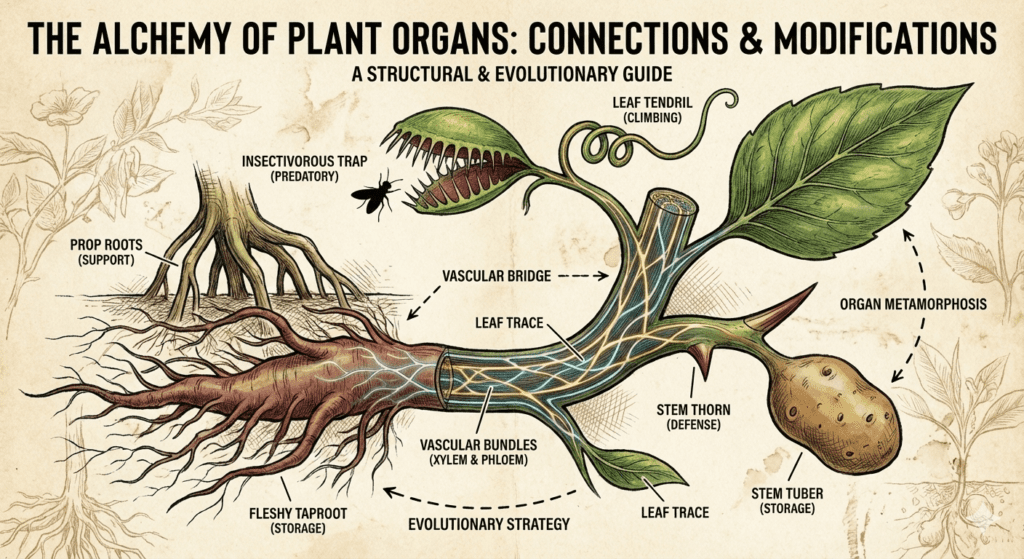
In the classical view of botany, we often categorize a plant into three distinct vegetative organs: the root, the stem, and the leaf. However, nature rarely respects such rigid boundaries. A plant is not a collection of isolated parts; it is a unified, fluid system where tissues flow seamlessly from the underground anchor to the sun-soaked canopy. Furthermore, when survival is at stake, these organs possess a remarkable ability to undergo “metamorphosis”—transforming their shapes and functions to become storage vaults, defensive weapons, or even predatory traps.
This comprehensive guide explores the “hidden blueprints” of the botanical world—the vascular bridges that connect the plant body and the evolutionary strategies behind the diverse modifications of roots, stems, and leaves.
The Internal Bridge: Vascular Connectivity
The plant body is held together by its “circulatory system”—the vascular tissues (xylem and phloem). For a plant to function as a single organism, the plumbing of the leaf must connect to the stem, and the stem must connect to the root.
1. The Stem-Leaf Connection
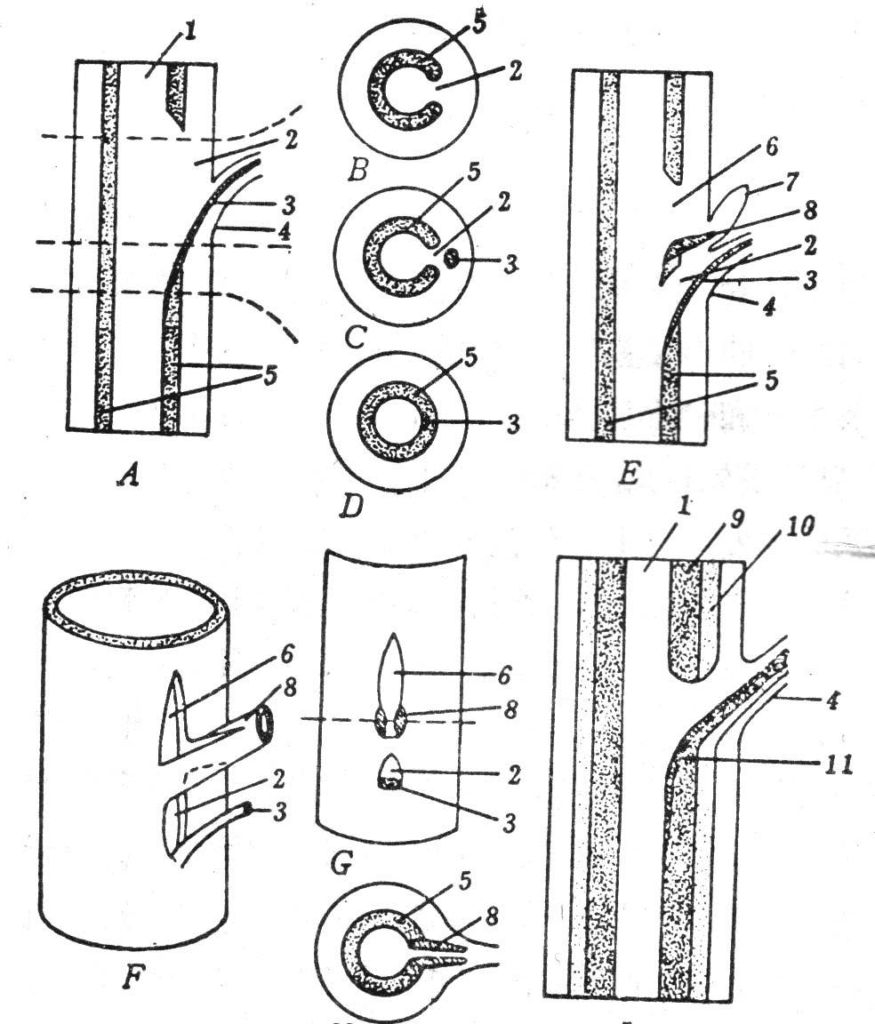
The connection between the stem and the leaf is a marvel of spatial organization. As vascular bundles move up the stem, a small portion “diverges” and enters the leaf petiole. This is known as a Leaf Trace .
- Leaf Gaps : When a leaf trace leaves the central vascular cylinder of the stem, it leaves behind a region of non-vascular parenchyma tissue. In a cross-section, this looks like a “gap” in the plumbing system.
- Branch Gaps : Similarly, when a vascular bundle diverges to form a new branch, it creates a branch gap.
2. The Root-Stem Transition
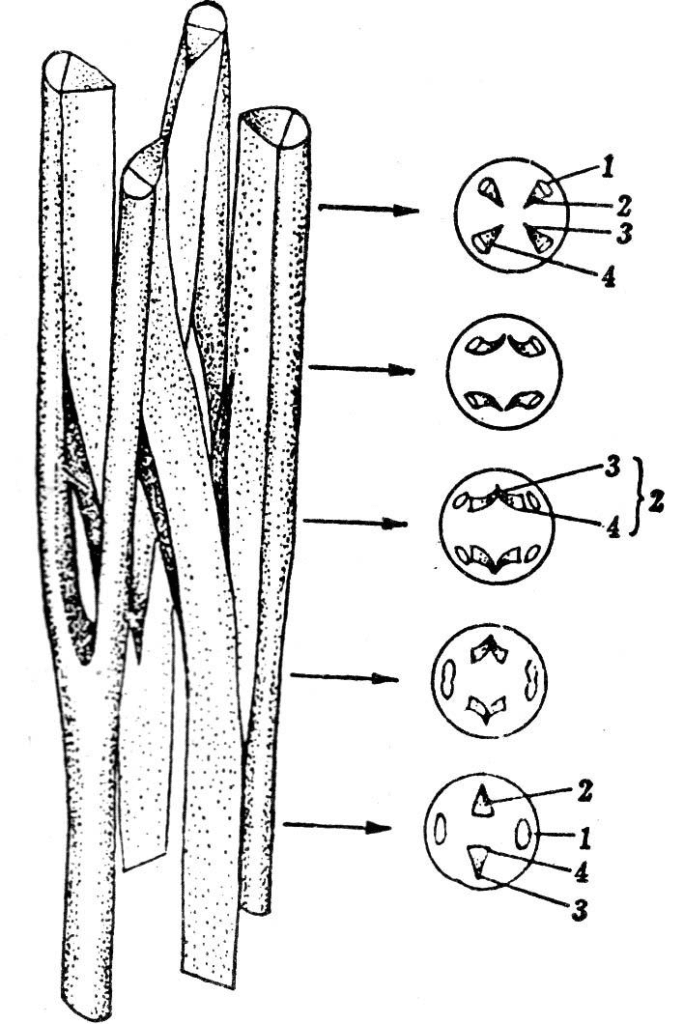
The most complex architectural challenge occurs in the Hypocotyl , the region where the root meets the stem.
- In the Root, the xylem and phloem are arranged radially (alternating).
- In the Stem, they are arranged collaterally (side-by-side). The plant must perform a biological “twist” to realign these tissues. In this Transition Zone, the vascular bundles rotate, fork, and merge, ensuring that water flowing up from the radial root can enter the collateral bundles of the stem without interruption.
The Art of Transformation: Organ Metamorphosis
The term Metamorphosis in botany refers to the permanent change in an organ’s morphology and structure due to a shift in physiological function or adaptation to a specific environment. These are not defects; they are high-level survival strategies encoded in the plant’s DNA.
I. Root Modifications: Beyond Anchoring
Roots typically absorb water and provide stability. However, when the environment demands more, roots transform into specialized tools.
1. Storage Roots
Storage roots are massive, swollen structures designed to survive dormant seasons.
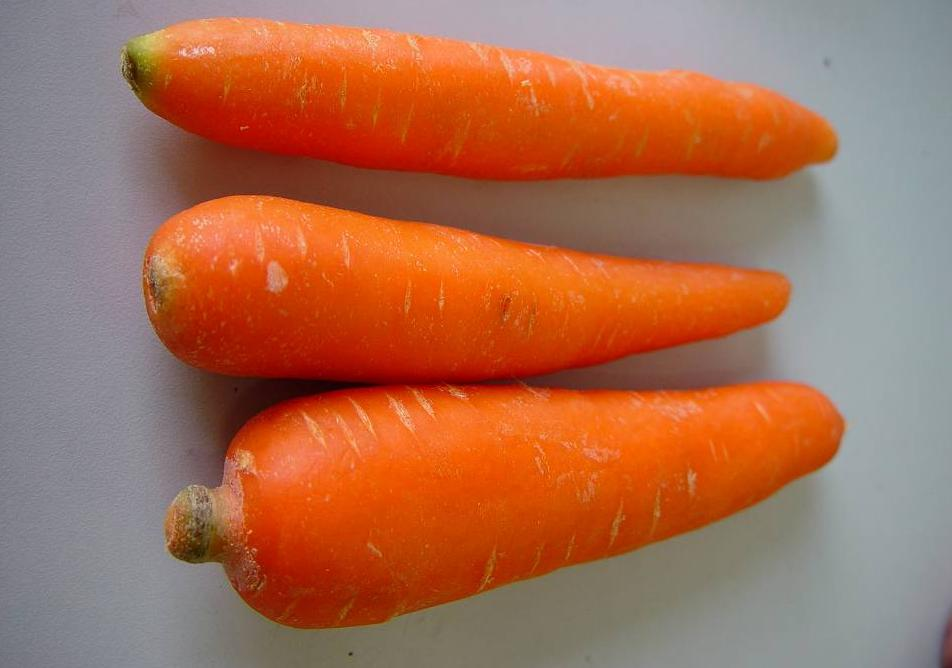
- Fleshy Taproots : Developed from the primary root (radicle) and the hypocotyl. Examples include Radishes and Carrots . They store vast amounts of starch and water.
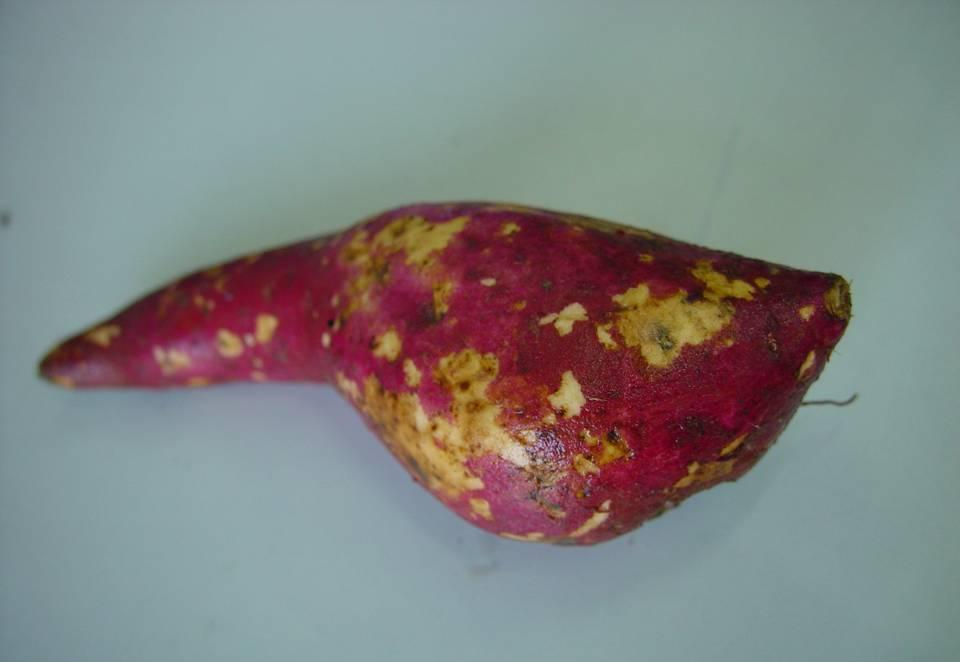
- Tuberous Roots : Developed from lateral or adventitious roots. Unlike taproots, they are often produced in clusters. The Sweet Potato is the quintessential example.
2. Aerial Roots
These are roots that grow above the soil line, often in humid or unstable environments.
- Prop Roots : Growing from the stem down into the soil to provide mechanical support, as seen in Corn or Banyan trees.
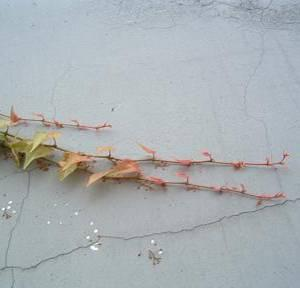
- Climbing Roots : Small roots that grow from the nodes to help a plant “glue” itself to a wall or tree, common in Ivy .
- Respiratory Roots / Pneumatophores: In swamps, where oxygen is low, roots grow upward out of the water to “breathe,” seen in Mangroves .
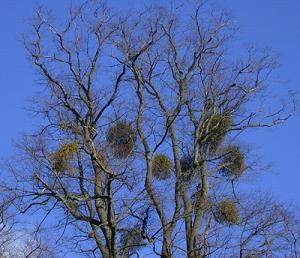
- Parasitic Roots / Haustoria : Specialized roots of parasitic plants like Dodder that penetrate the vascular tissue of a host plant to steal nutrients.
II. Stem Modifications: The Masters of Disguise
Stems are incredibly versatile. They can hide underground or transform into armor on the surface.
1. Underground Stem Modifications
The biggest mistake amateur botanists make is confusing underground stems with roots. Underground stems have nodes, internodes, and buds, which roots lack.
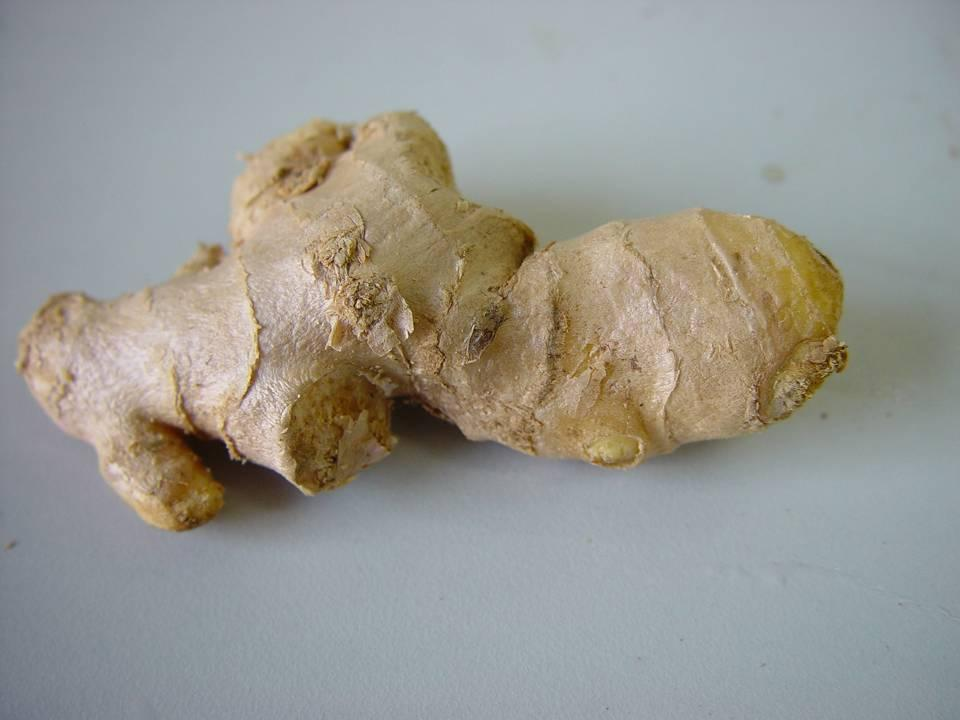
- Rhizomes : Horizontal stems that grow underground, storing food and producing new shoots at the nodes (e.g., Ginger, Lotus).
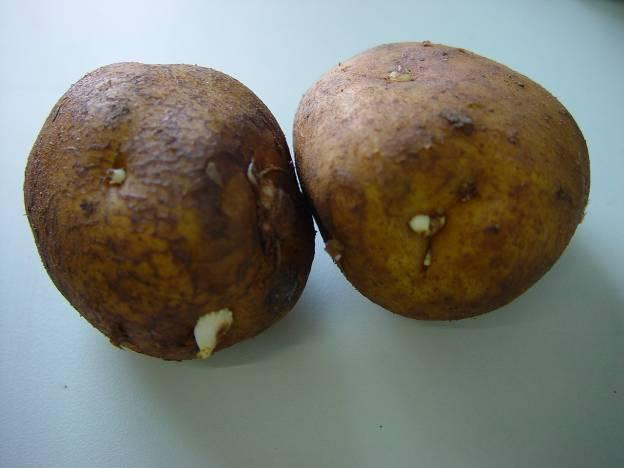
- Tubers: Swollen, starchy ends of underground branches. The “eyes” of a Potato are actually buds!
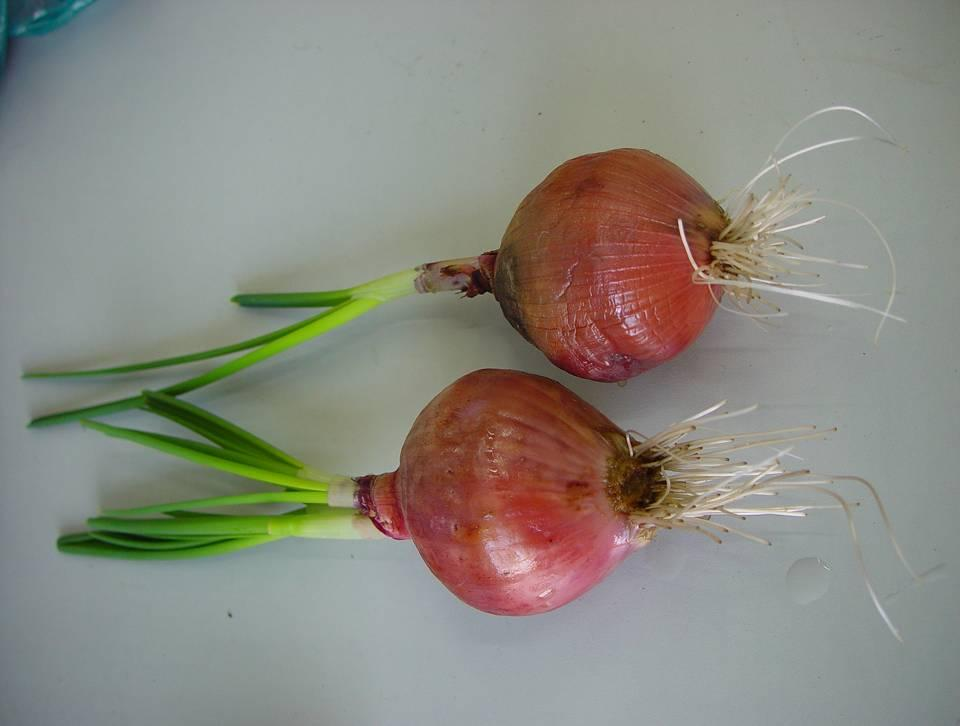
- Bulbs : A very short stem surrounded by fleshy storage leaves (e.g., Onion, Garlic).
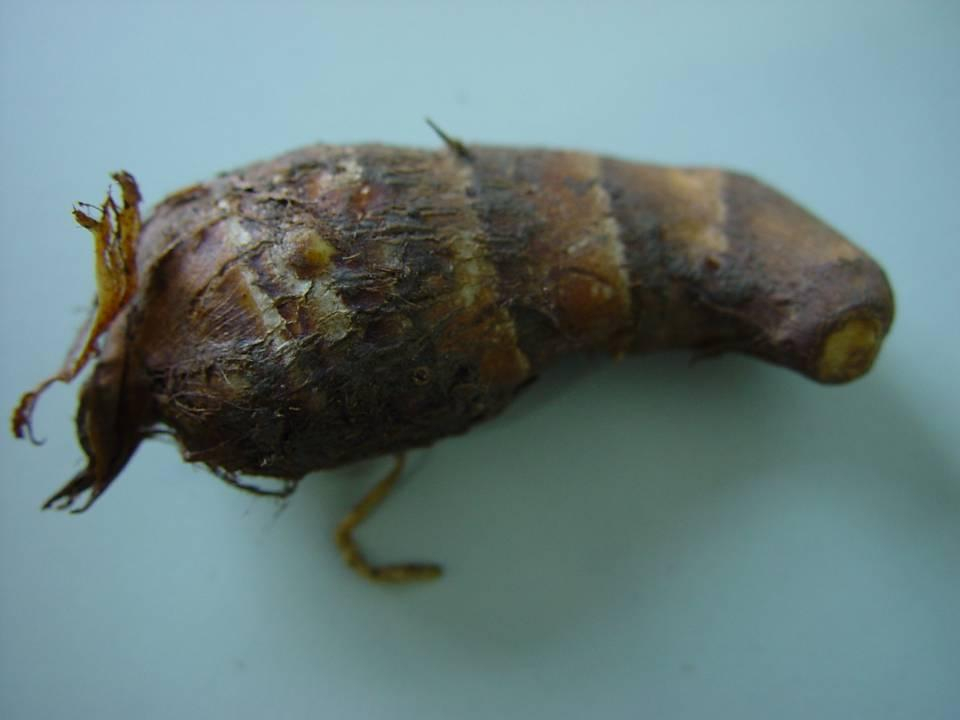
- Corms : A solid, thickened underground stem without the fleshy leaves of a bulb (e.g., Taro, Gladiolus).
2. Above-Ground Stem Modifications
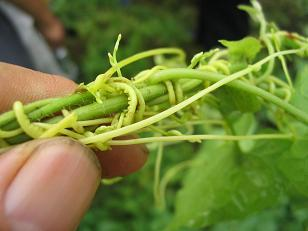
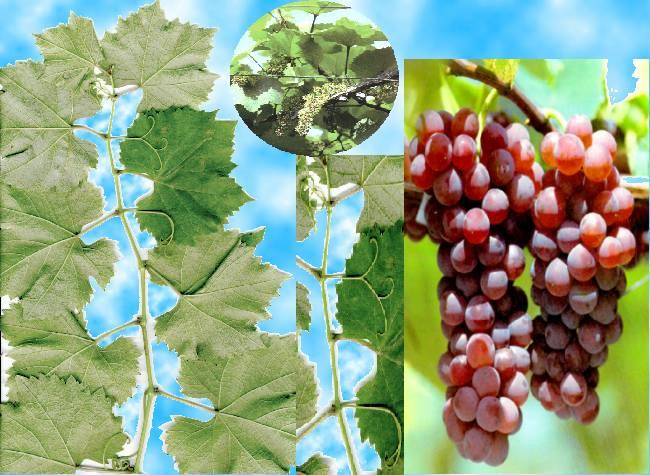
- Stem Tendrils : Slender, coiling structures used for climbing, developed from axillary buds (e.g., Grapes, Cucumber).
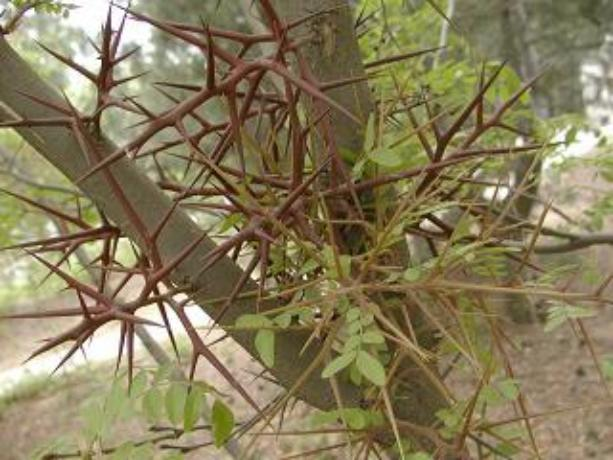
- Stem Thorns : Sharp, woody defensive structures that originate from the stem’s vascular system (e.g., Hawthorn).
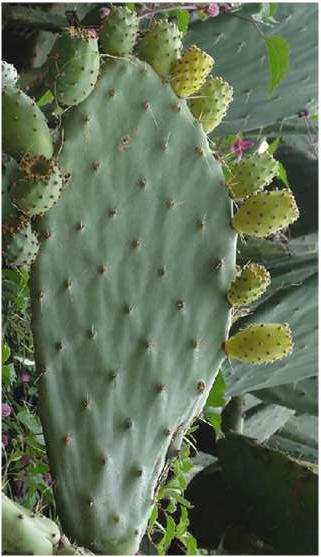
- Cladophylls : Stems that have flattened out and turned green to mimic leaves, often seen in Cacti or Asparagus. This allows the plant to perform photosynthesis in harsh, dry climates.
III. Leaf Modifications: From Solar Panels to Specialized Tools
Leaves are the most morphologically plastic organs in the plant kingdom.
- Leaf Spines : To reduce water loss and deter herbivores, the leaves of a Cactus turn into hard, sharp spines. The green “pads” we see are actually the stem.
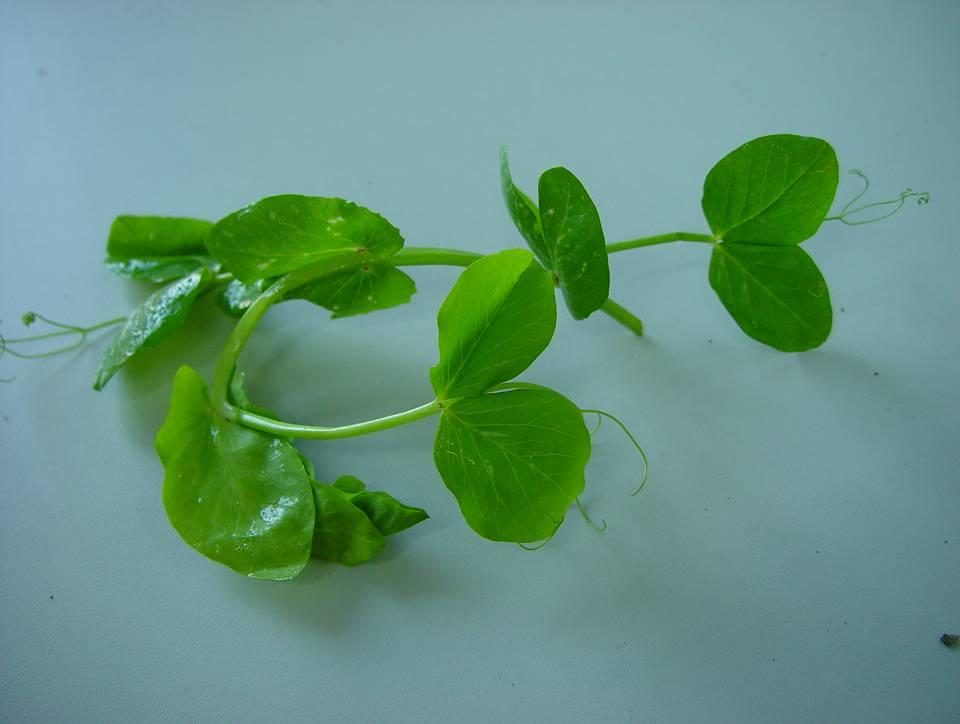
- Leaf Tendrils : Unlike stem tendrils, these come from the leaf itself or the petiole, helping plants like Peas climb.
- Storage Leaves : The fleshy layers of an onion that we eat are actually modified leaves that store energy for the plant.
- Bracts : Often mistaken for petals, these colored leaves surround the flower to attract pollinators (e.g., Poinsettia, Bougainvillea).
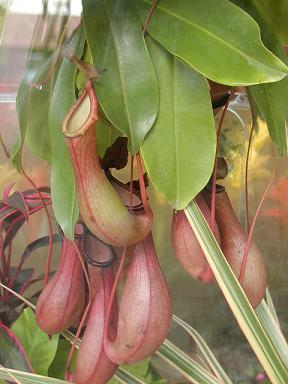
- Insectivorous Leaves : The ultimate transformation. Leaves become traps (e.g., Venus Flytrap, Pitcher Plant) to capture and digest insects, providing the plant with nitrogen in poor soils.
Conclusion: Unity in Versatility
The connectivity and metamorphosis of plant organs reveal the true brilliance of evolutionary biology. A plant is not a rigid statue; it is a highly adaptable machine. Whether it is the complex vascular transition in a tiny seedling or a cactus transforming its leaves into spines to survive a desert, every structure has a purpose. By understanding how roots, stems, and leaves connect and change, we see the plant for what it truly is: a master of survival.
