
Growing plants for sale can look profitable on paper—until slow turnover, pests, and shipping damage erase margins. The most reliable profits usually come from crops that sell fast and tolerate “real-world” handling.
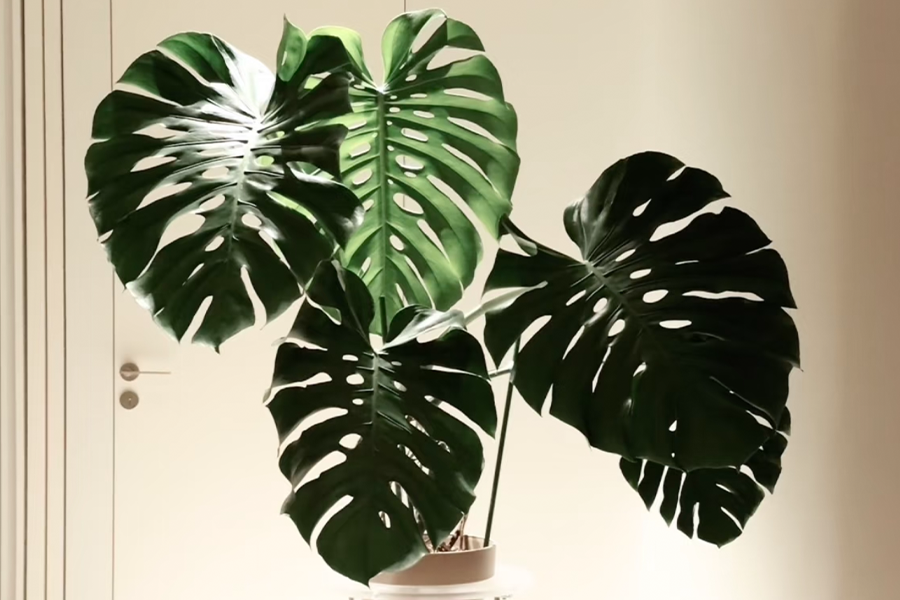
For most small growers, “most profitable” means high demand + fast propagation + low shrink (losses). In the U.S., floriculture sales remain substantial, and foliage plants for indoor/patio use are a major category—a strong signal that staple houseplants (like Monstera deliciosa) can be viable when grown efficiently. At the same time, quick-turn crops like microgreens and culinary herbs often compete well on profit-per-square-foot when local demand is strong.

Monstera deliciosa Care Basis Table
| Item | Recommendation |
|---|---|
| Botanical name (verified) + common name | Monstera deliciosa — Swiss cheese plant |
| Light (with placement examples) | Bright, indirect light; 1–3 ft (30–90 cm) back from an east/west window, or near a bright south window with sheer curtain |
| Watering baseline (what to check before watering) | Water only after checking: top 1–2 in (2.5–5 cm) feels dry, pot feels lighter, and excess water can drain freely |
| Temperature range + cold sensitivity | Warm-growing; aim ~18–25°C (65–77°F); avoid cold drafts and chilling; protect from near-freezing exposure |
| Humidity (what is sufficient vs risky) | Typical home humidity can work; moderate humidity helps leaf quality; “wet + still air” increases rot/pest risk |
| Soil/substrate (drainage/aeration) | Chunky, free-draining aroid mix (potting mix + bark + perlite/pumice); avoid dense, water-holding media |
| Pot & drainage (must-have features) | Drainage holes are non-negotiable; stable/heavier pot helps prevent tipping as plants mature |
| Fertilising (type + frequency guidance) | Balanced liquid fertiliser during active growth; reduce or pause in low-light winter conditions |
| Toxicity/pet safety (or confirm statement) | Toxic to cats/dogs (insoluble calcium oxalate); keep out of reach of pets/children; wear gloves if sap irritates skin |
| Difficulty level (Beginner/Intermediate/Advanced) | Beginner–Intermediate (easy to keep alive; higher standards needed for “sale-grade” leaves) |
Core care that keeps Monstera “sale-grade”
Keeping Monstera deliciosa in a sale-grade condition is less about rapid growth and more about controlled, predictable quality. Buyers expect clean leaves, balanced shape, and visible health signals at first glance. Small care mistakes may not kill the plant, but they can quietly downgrade it from “sellable” to “hard to move.”
Light management is the first deciding factor. Monsteras grown in insufficient light tend to stretch, producing long internodes and uneven leaf spacing. While the plant may survive, it loses its compact, architectural look. Bright, indirect light encourages thicker stems and more symmetrical leaf development—traits buyers subconsciously associate with plant strength and value.
Watering discipline matters more than frequency. Overwatered Monsteras often show yellowing lower leaves, soft stems, or early root issues, all of which are immediate red flags to buyers. Allowing the top layer of soil to dry slightly between waterings helps maintain firm roots and upright growth. Consistency is more important than speed.
Leaf condition directly affects perceived quality. Dust, water spots, pest residue, or mechanical damage can make an otherwise healthy plant look neglected. Regular leaf cleaning and early pest monitoring are essential. A Monstera with fewer but pristine leaves often sells faster than a larger plant with cosmetic flaws.
Structural support also plays a role. As Monsteras mature, light staking or a moss pole helps guide vertical growth and prevents leaning or stem stress. Plants that can stand upright without collapsing are easier to transport, photograph, and display—making them more attractive to both sellers and buyers.
Finally, restraint with fertiliser keeps growth steady rather than forced. Overfeeding can lead to soft growth and oversized leaves that don’t harden properly. Slow, balanced nutrition supports durable foliage that holds up through handling and shipping.
How do you propagate Monstera deliciosa for sale without quality drop?
Propagation is where profits are made—or lost through rot, weak cuttings, and mislabeled “leaf-only” starts. The key is to propagate from nodes (not just leaves) and to standardize your cutting quality.
A reliable small-batch approach:
1) Choose mother plants like inventory, not decor.
Use mother stock with: vigorous growth, clean pest history, and stable leaf shape. Keep mother plants in the best light you have; weak mothers produce weak cuttings.
2) Cut only where a node is present.
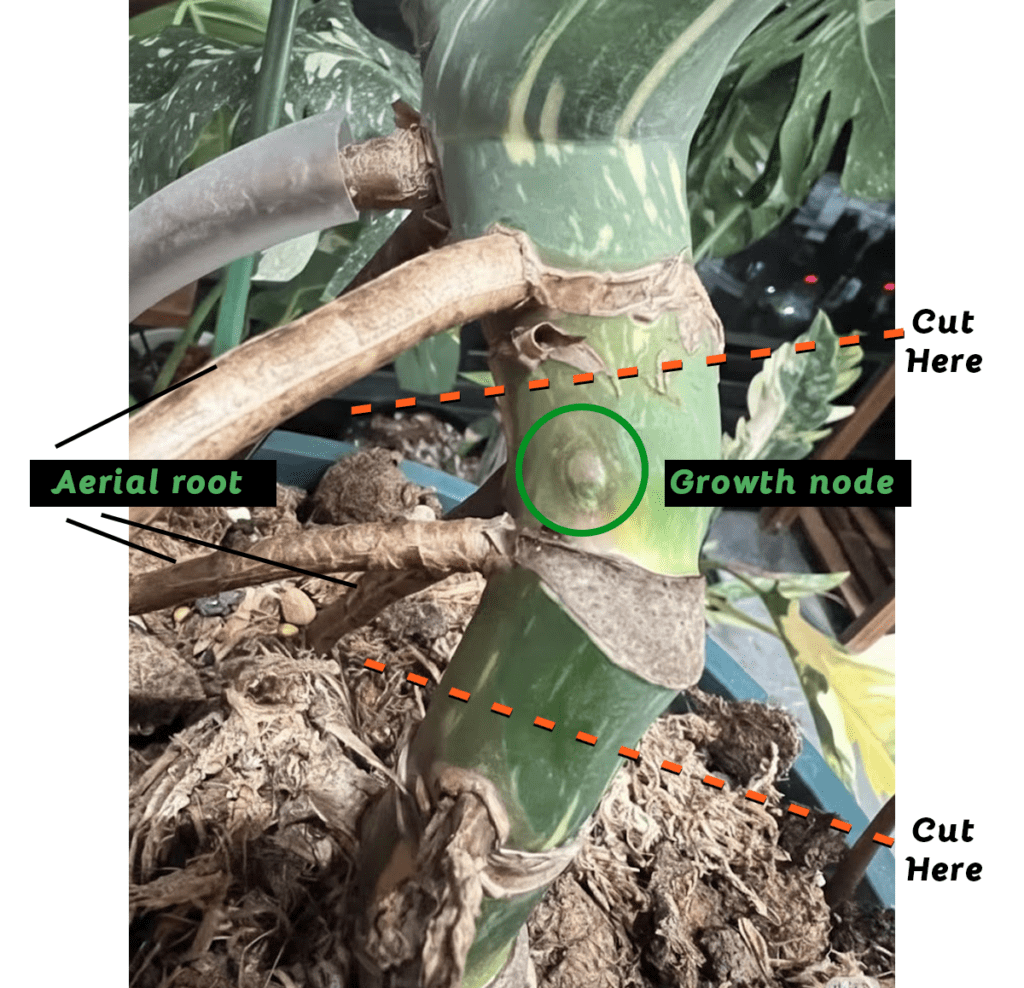
A saleable cutting needs a node with an axillary bud. Leaf-only pieces will not produce new vines and commonly fail.
3) Pick a propagation method that matches your risk tolerance.
- Stem cuttings in an airy medium: good balance of rot control and transplant success.
- Water rooting: simple to explain to customers and easy to monitor, but transition to soil must be managed carefully.
- Air layering: often higher success for thick stems and larger cuttings; useful when you want a “ready to pot” product.
4) Standardize your “sell-ready” grading.
Set simple grades so pricing stays consistent:
- Grade A: rooted cutting + active bud + firm stem + clean leaf
- Grade B: rooted cutting + bud dormant or small leaf flaws
- Not for sale: soft stems, no node, pest damage, or weak roots
5) Harden off before selling.
Many returns happen when a fresh cutting is sold immediately after potting. Give new plants time to establish in the final substrate so buyers get a stable product.
What are the biggest risks that kill profitability (and how do you reduce shrink)?
Most growers don’t fail on “how to grow.” They fail on shrink—plants that die, downgrade, or can’t be sold at full price.
Top margin killers (and fixes):
- Overpotting and slow-drying media → switch to chunky mix, smaller pots, and consistent dry-down checks.
- Pests (mealybugs, scale, spider mites) → isolate new stock, inspect weekly, and treat early; pests quickly downgrade leaf quality.
- Inconsistent light → poor light stretches plants and slows turnover; unify lighting per crop lane.
- Unstable temperatures during transport → cold stress and overheated boxes both cause leaf damage; pack for your season.
- No grading standards → “one price for everything” causes underpricing of premium plants and overpricing of imperfect stock, increasing complaints.
- Unclear labeling (especially toxicity and botanical names) → increases returns and buyer distrust.
Shrink control is a production system: inputs → inspection → grading → packaging → buyer education. Every step protects the selling price you planned for.
Where should you sell to keep margins predictable?
The best channel is the one that matches your crop and your logistics—not the one that looks biggest online.
Local direct sales (farmers’ markets, pop-ups, plant fairs).
Often highest margins and lowest shipping losses. Works well for potted herbs, starter houseplants, and “pick-up only” larger specimens.
Restaurants/chefs (herbs, microgreens).
Strong for repeat orders and predictable volume if you can meet consistency. Start with a limited menu and stable delivery days.
Online shipping.
Can scale, but packaging and weather risk can erase margins fast. If shipping, prioritize plants that tolerate handling (pothos and many philodendrons outperform fragile-leaf plants in transit).
Wholesale to shops.
Lower margin per unit but steadier volume. Works best when you can standardize pot sizes, labels, and delivery rhythm.
A practical path: prove your production system locally first, then expand to shipping or wholesale once shrink rates are consistently low.
Common Trouble happened to Monstera
| Symptom | Most likely cause | What to do now | Prevention |
|---|---|---|---|
| Yellowing lower leaves + wet mix | Overwatering / slow drainage | Let mix dry; check drainage holes; consider repot into chunkier mix | Standardize substrate; avoid oversized pots |
| Soft stem near soil line | Rot (often from waterlogging) | Remove from pot; cut back to healthy tissue; re-root from a node if possible | Airy media + “dry-down” checks before watering |
| Brown crispy edges | Dry air, inconsistent watering, salt buildup | Improve watering consistency; flush mix occasionally; avoid placing near vents | Use stable light/temperature; moderate feeding |
| No fenestrations on mature plant | Light too low or no support | Increase bright indirect light; add support pole/trellis | Keep mother plants in best light available |
| Sticky residue, cottony clusters | Mealybugs/scale | Isolate; treat promptly; clean leaf axils and stems | Weekly inspections; quarantine new plants |
| Fine webbing + stippling | Spider mites (often in dry air) | Isolate; treat; raise humidity moderately with airflow | Avoid hot, dry drafts; monitor undersides of leaves |
| Leaves scorch/bleach patches | Direct sun exposure | Move back from window; remove worst-damaged leaves later | Acclimate gradually to brighter light |
| Cuttings rot before rooting | No node, too wet medium, low warmth | Re-cut to include node; use airy medium; keep warm | Propagate only node cuttings; avoid saturated media |
| New plants stall after potting | Transplant shock / low light | Maintain steady moisture (not wet); provide brighter indirect light | Harden off rooted cuttings before sale |
| Buyers complain “it died fast” | Poor label guidance / mismatch of care expectations | Provide a one-card care baseline at sale | Standardize customer care info and toxicity note |
Propagation methods that are verified for Monstera deliciosa
Best method (verified): Stem cuttings with a node
This is widely recommended by horticulture references because new growth comes from the node/axillary bud.
Materials list
- Clean pruners or knife
- Sterile, airy rooting medium (or clean water)
- Small pots with drainage
- Labels (date + cultivar/stock ID)
- Optional: support stake or small pole
Step-by-step
1) Identify a node with an axillary bud; include at least one node per cutting.
2) Make a clean cut below the node.
3) Root in airy medium kept lightly moist, or root in water with regular changes.
4) Provide bright, indirect light and warm temperatures.
5) Once roots are established, pot into a chunky, well-draining mix.
6) Hold plants until stable (new growth or strong root resistance) before sale.
Failure points (and how to avoid them)
- Leaf-only cuttings: won’t vine; avoid by training yourself/your team to spot nodes.
- Too-wet media: causes rot; use airy mixes and avoid saturated conditions.
- Low light/low warmth: slows rooting and increases losses; keep propagation area bright and warm.
Video Recommand (one reliable quick guide)
FAQ
Which plants are usually easiest to profit from as a beginner?
Beginner-friendly profits usually come from plants with fast propagation and high tolerance for handling. Common winners are “workhorse” foliage plants (pothos and heartleaf philodendron) and a single fast-cycle edible line (microgreens or potted herbs) if local demand exists. Instead of chasing rare varieties, focus on consistency: uniform pot sizes, clean leaves, clear labels, and a simple care card. Those operational basics often matter more than the plant choice itself.
Do variegated houseplants make more money?
Sometimes, but they also raise risk. Variegated plants can sell for more, yet they tend to be slower, more sensitive to light, and easier to misrepresent (which increases disputes). They also require strict mother-stock selection and careful propagation to maintain stable traits. If the goal is predictable profit, treat variegates as a small “premium line” after a stable core product line is already working. Confirm with an authoritative horticulture source before applying.
Is Monstera deliciosa safe around pets and children if it’s just in the room?
It can be fine as a “look but don’t chew” plant, but it is considered toxic if ingested. The main risk is chewing, especially for cats, dogs, and toddlers. For a grow-and-sell operation, it’s wise to disclose toxicity plainly and recommend placement out of reach. If sap causes skin irritation during propagation, gloves and basic hygiene are usually sufficient.
What’s the fastest way to reduce losses when selling online?
Start by selecting plants that tolerate shipping and setting clear seasonal limits. Pack to prevent movement, protect leaves from crushing, and avoid temperature extremes during transit. Ship early in the week to reduce weekend delays. Finally, standardize your “sell-ready” definition so you aren’t shipping freshly potted, unstable plants. A few days of hardening-off can prevent many “arrived stressed” complaints.
How do you know if your “profitable plant idea” is actually profitable?
Use an enterprise budget and track shrink. “Good sales” can still lose money if you ignore labor, supplies, and losses. Start with a small, repeatable batch size, document time and inputs, and measure how many units sell at full price. When shrink is consistently low and labor per unit is predictable, scaling becomes far safer. Budget tools from extension services are designed for exactly this purpose.
References
- Floriculture in 2023 / 2023 Floriculture Crops Highlights (USDA National Agricultural Statistics Service) https://www.nass.usda.gov/Publications/Highlights/2024/2023-floriculture-highlights.pdf
- Monstera deliciosa (Swiss cheese plant) plant profile and propagation notes (Royal Horticultural Society) https://www.rhs.org.uk/plants/11192/monstera-deliciosa-%28f%29/details
- How to grow Swiss cheese plants: light, watering, feeding, and propagation overview (Royal Horticultural Society) https://www.rhs.org.uk/plants/swiss-cheese-plants/how-to-grow-swiss-cheese-plants
- Propagating Monstera deliciosa: nodes, axillary buds, and practical steps (University of Minnesota Extension) https://extension.umn.edu/houseplants/propagating-monstera-deliciosa
- Swiss-cheese plant (Monstera deliciosa) propagation options (University of Wisconsin–Madison Division of Extension) https://hort.extension.wisc.edu/articles/monstera-deliciosa/
- Toxicity listing for Monstera deliciosa (ASPCA Animal Poison Control) https://www.aspca.org/pet-care/aspca-poison-control/toxic-and-non-toxic-plants/mother-law
- Common poisonous houseplant species and calcium oxalate notes (UF/IFAS Extension) https://edis.ifas.ufl.edu/publication/EP639
- Microgreens planning budget and cost/return framing (University of Missouri Extension) https://extension.missouri.edu/publications/g693
- Growing herbs as a cash crop: market channels and practical positioning (NC State Extension) https://newcropsorganics.ces.ncsu.edu/herb/growing-herbs-as-a-cash-crop/
- Enterprise budgets: how to evaluate profitability by crop (Colorado State University Extension) https://abm.extension.colostate.edu/enterprise-budgets/
Conclusion
The most profitable plants to grow and sell are usually the ones you can propagate quickly, grade consistently, and deliver with low losses—then match to a sales channel that protects your margins.
