The Peak of Evolution: Deciphering the Biological Masterpiece of Flowers
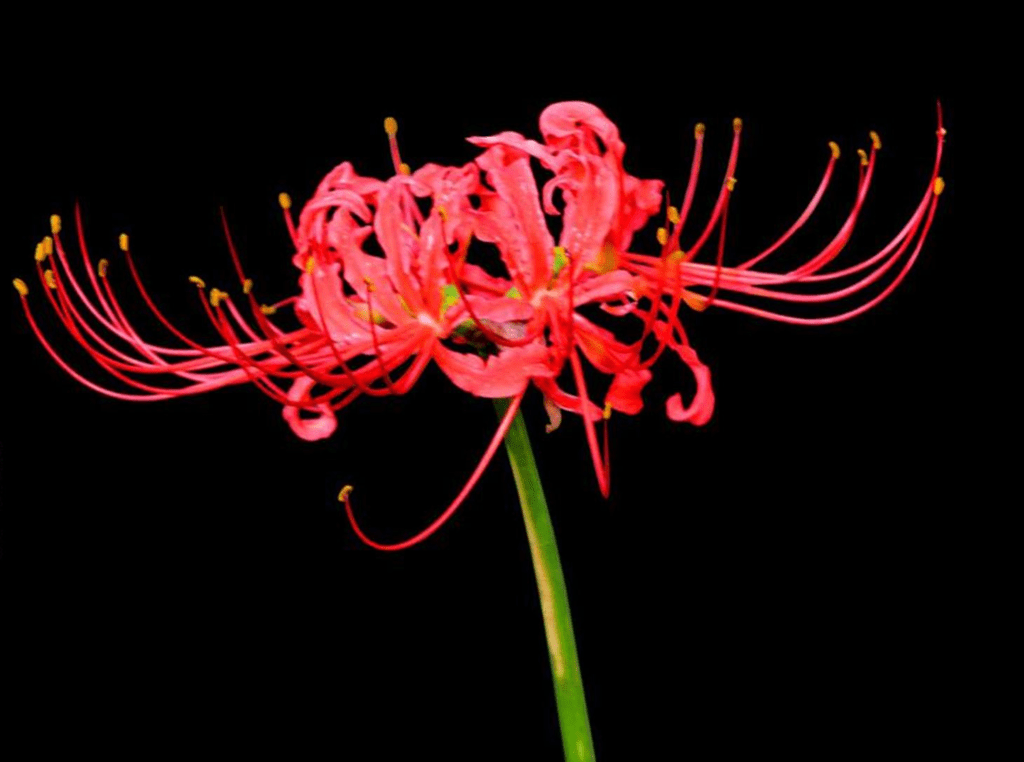
In the grand narrative of the plant kingdom, the Flower stands as the crowning achievement of millions of years of selective pressure. While the vegetative organs—roots, stems, and leaves—are the engineers of individual survival, the flower is the architect of the future. Botanically defined, a flower is a Modified Short Shoot with a singular, high-stakes mission: reproduction. It is a biological stage where the most critical act of life, the exchange and recombination of genetic material, takes place with breathtaking precision.
To the casual observer, a flower is a splash of color or a sweet fragrance. To the scientist, however, it is a highly calibrated machine. Every curve of a petal, every stickiness of a stigma, and every grain of pollen is a calculated move in the game of survival. In this exhaustive 2000-word guide, we will peel back the aesthetic layers of the flower to reveal the structural mechanics, evolutionary strategies, and taxonomic codes that define the Angiosperms .
I. The Architectural Foundation: Pedicel and Receptacle
Before a flower can dazzle a pollinator, it must be positioned and supported. The foundation of any floral structure begins where the vegetative stem transitions into the reproductive organ.
1. The Pedicel
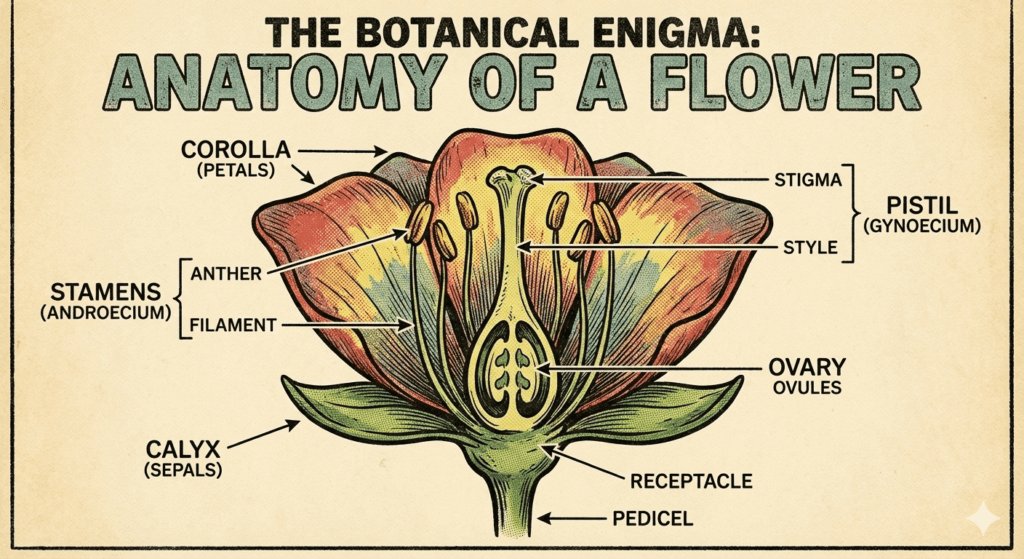
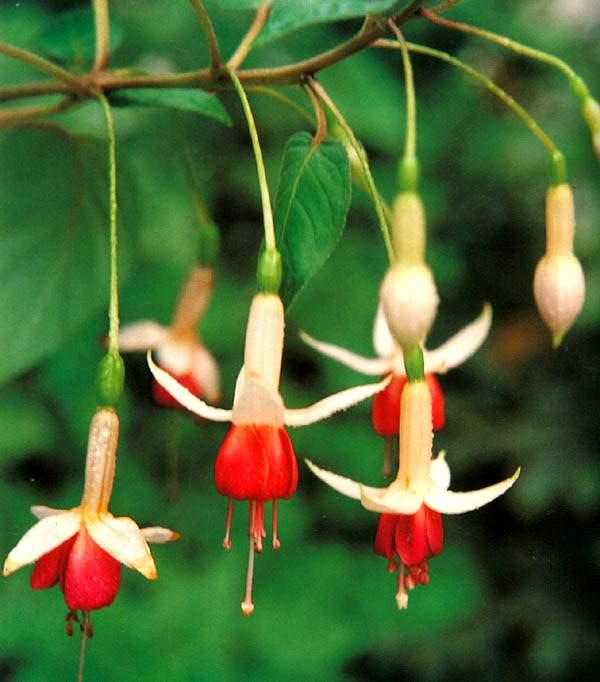
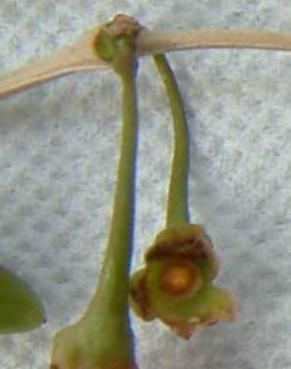
The Pedicel is the stalk that attaches an individual flower to the main axis of the plant or the inflorescence. It acts as a mechanical support and a hydraulic conduit, delivering water and nutrients to the developing reproductive tissues. Its length and flexibility are crucial; for example, wind-pollinated plants often have long, flexible pedicels to catch the breeze, while insect-pollinated flowers may have shorter, rigid ones to provide a stable landing platform.
2. The Receptacle
The Receptacle is the expanded tip of the pedicel. It serves as the “stage” upon which the four whorls of floral organs are arranged. While it may seem like a simple base, the morphology of the receptacle varies wildly across species, dictating the eventual shape of the fruit:
- Convex Receptacle : Seen in plants like the Buttercup , where the center is raised, positioning the carpels prominently.
- Concave Receptacle : In the Rose or Lotus , the receptacle forms a cup or “showerhead” shape, partially or fully enclosing the ovaries.
- Flat Receptacle : A common, neutral platform for floral parts.
II. The Protective and Attractant Whorls: The Perianth
The Perianth consists of the sterile parts of the flower: the Calyx and the Corolla. These organs do not produce gametes but are essential for the success of those that do.
1. The Calyx: The Guardian
The outermost whorl is the Calyx, composed of individual Sepals . Most sepals are green and leaf-like, performing photosynthesis and protecting the delicate floral bud during its most vulnerable stage of development.
- Caducous : Sepals that fall off as soon as the flower opens (e.g., Poppies).
- Persistent : Sepals that remain attached even as the fruit develops (e.g., Persimmons or Strawberries).
2. The Corolla: The Billboard
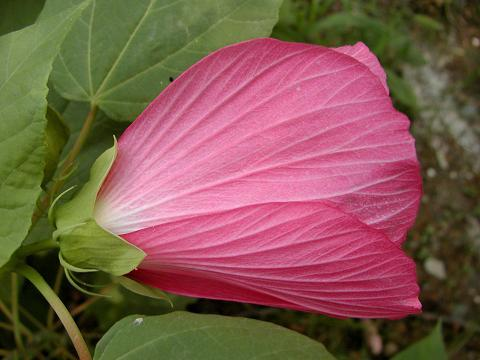
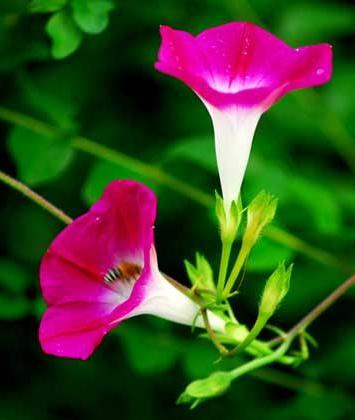
The Corolla is the whorl of Petals . This is where the plant invests its creative energy to attract specific partners.
- Visual Signaling: Petals use pigments like anthocyanins (reds/purples) and carotenoids (yellows/oranges) to create high-contrast targets.
- Nectar Guides : Many petals feature patterns visible only in the UV spectrum, acting as “landing lights” for bees.
- Symmetry: As we will discuss later, the shape of the corolla (whether it is a bell, a tube, or a complex spur) is an evolutionary lock designed for a specific insect key.
III. The Male Powerhouse: The Androecium
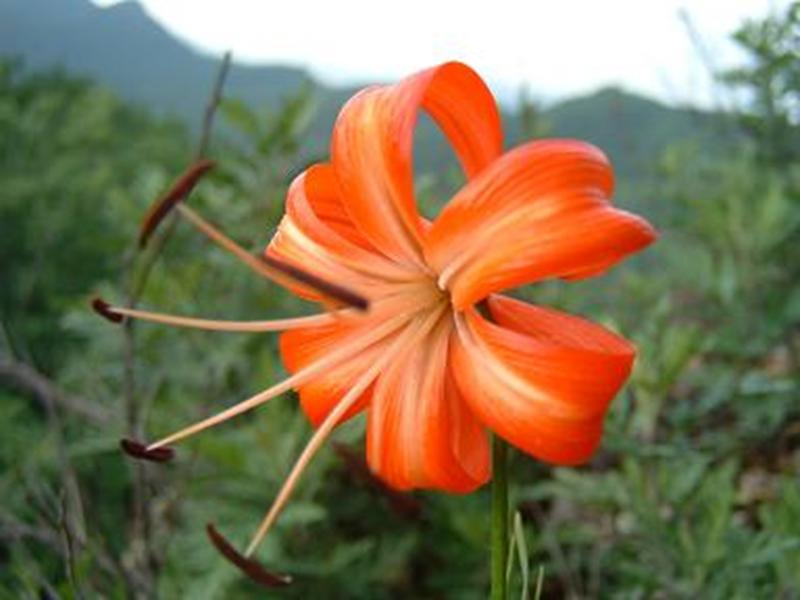
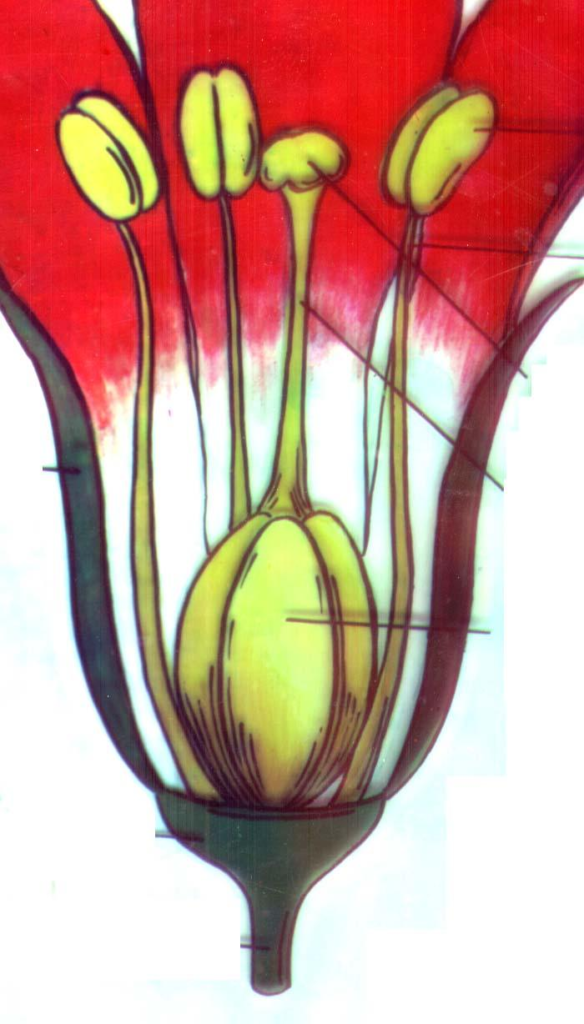
Moving inward, we encounter the Androecium , the collective term for all the male reproductive organs, or Stamens . Each stamen is a masterpiece of miniaturized biological engineering.
1. Anatomy of a Stamen
- Anther : This is the pollen factory. Typically, an anther consists of two lobes, each containing two pollen sacs (microsporangia). Within these sacs, meiosis occurs to produce haploid pollen grains.
- Filament : The slender stalk that elevates the anther. Its length is critical; it must be high enough to brush against a pollinator but not so high that it blocks the stigma.
2. Fusion and Diversity
Botanists classify flowers based on how their stamens are arranged and fused:
- Monadelphous : All filaments are fused into a single tube surrounding the style (e.g., Hibiscus).
- Diadelphous : Filaments are fused into two bundles (e.g., many Peas).
- Syngenesious : Filaments are free, but the anthers are fused into a tube (e.g., Sunflowers).
IV. The Female Core: The Gynoecium
The innermost whorl is the Gynoecium , consisting of one or more Carpels . A carpel is effectively a modified, seed-bearing leaf that has folded inward to protect the ovules. A functional unit of the gynoecium is called the Pistil .
1. The Trinity of the Pistil
- Stigma : The receptive tip. It is often sticky, feathery, or branched to capture pollen grains. It also acts as a “gatekeeper,” chemically recognizing compatible pollen and rejecting foreign species.
- Style : The pillar connecting the stigma to the ovary. It provides the path through which the pollen tube must tunnel to reach the eggs.
- Ovary : The swollen basal portion containing the Ovules . The ovary is the “womb” of the plant and will mature into the fruit after fertilization.
2. Ovary Position and Evolution
The relative position of the ovary to other floral parts is a major evolutionary marker:
- Superior Ovary : The ovary sits above the attachment point of the sepals and petals (Hypogynous flower).
- Inferior Ovary : The ovary is located below the attachment point, often embedded within the receptacle (Epigynous flower). This offers better protection against herbivores.
V. Geometry and Strategy: Floral Symmetry
The symmetry of a flower is an evolutionary fingerprint of its relationship with pollinators.
| Symmetry Type | Botanical Term | Characteristics | Evolutionary Advantage |
| Radial | Actinomorphic | Can be divided into equal halves by multiple planes. | Attracts a wide variety of “generalist” pollinators (bees, beetles). |
| Bilateral | Zygomorphic | Can only be divided into two equal halves by one plane. | Highly specialized; forces the insect into a specific position for precise pollination. |
| Asymmetric | Asymmetrical | No plane of symmetry. | Rare; often involves complex, specialized mechanical traps. |
VI. Social Dynamics: The World of Inflorescences
Individual flowers are powerful, but grouped flowers are strategic. An Inflorescence is a cluster of flowers arranged on a specific branching system.
1. Indeterminate (Racemose) Inflorescences
The main axis continues to grow, with the oldest flowers at the bottom or outside.
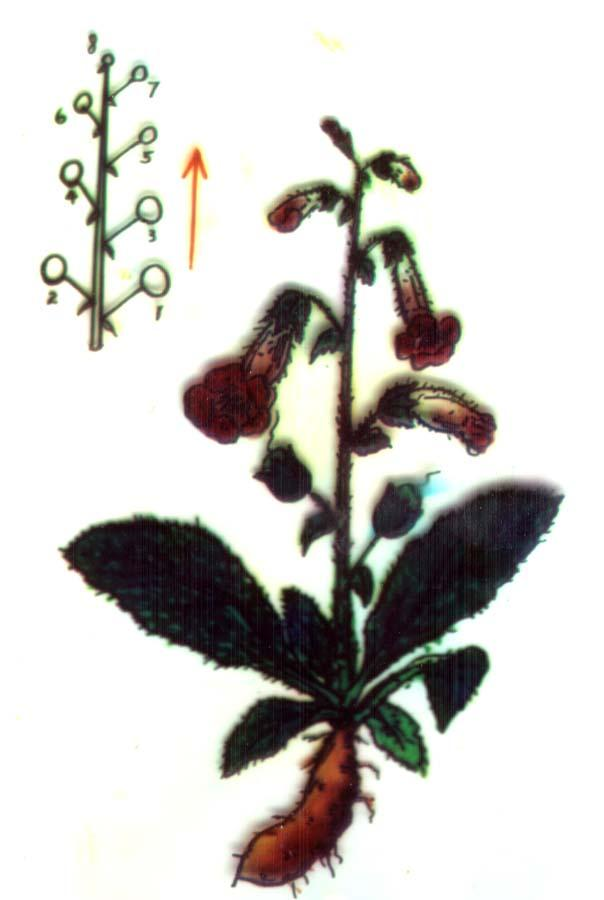
- Raceme : Flowers on short pedicels along a central axis (e.g., Snapdragon).
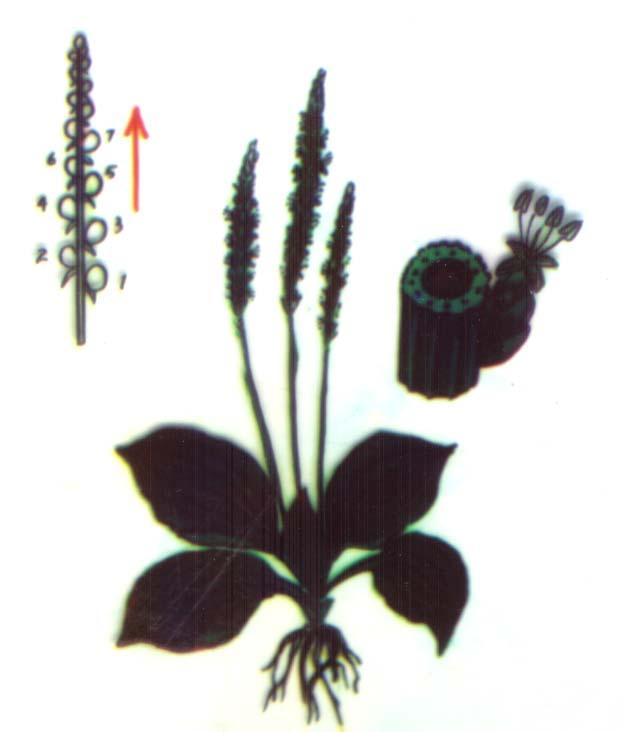
- Spike : Sessile flowers directly on the axis (e.g., Plantain).
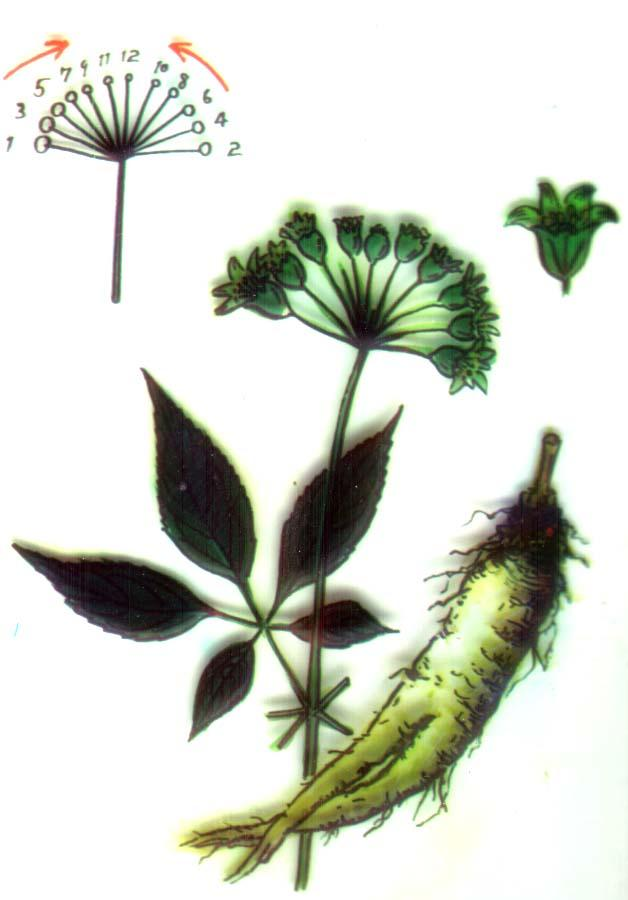
- Umbel : All pedicels radiate from one point (e.g., Onion).
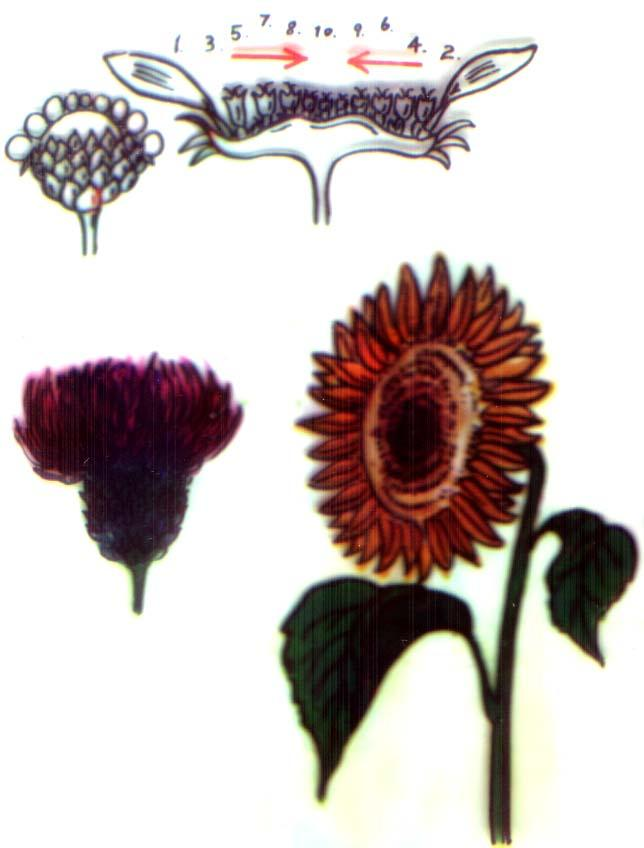
- Capitulum : A massive cluster of tiny flowers mimicking a single large flower (e.g., Sunflower). This is the “urban density” strategy of the plant world.
2. Determinate (Cymose) Inflorescences
The main axis ends in a flower, stopping vertical growth. The flowers bloom from the top down or inside out. The classic Cyme is seen in many wildflowers and shrubs.
VII. The Botanical Code: Floral Formulas and Diagrams
To record the complexity of flowers without writing pages of text, botanists developed a sophisticated shorthand.
1. The Floral Formula
A string of symbols representing the floral whorls.
- K (Calyx), C (Corolla), A (Androecium), G (Gynoecium).
- Numbers indicate the count of parts.
- Parentheses indicate that the petals are fused (Sympetalous).
- A line under or over the G indicates a superior or inferior ovary.
2. The Floral Diagram
This is a schematic ground-plan or cross-section of a flower. It visualizes the relative positions of the organs, their fusion, and their orientation relative to the main stem (represented by a dot called the Mother Axis). It is essentially the “blueprints” for the floral building.
VIII. From Flower to Future: The Biological Significance
Why does the plant invest so much energy into these temporary, delicate structures? The answer lies in the transition from Pollination to Fertilization.
The flower is a sensory interface. By modulating its color, scent, and shape, the plant negotiates with the animal kingdom. Once a pollen grain is successfully captured by the stigma, it germinates, sending a pollen tube down the style to deliver two sperm cells to the ovule. This “Double Fertilization” is unique to angiosperms, resulting in both an embryo and a nutrient-rich endosperm.
The flower eventually withers, but its mission is accomplished. The ovary swells to become the fruit, a vessel that will protect the seeds and aid in their dispersal across the landscape.
Conclusion: The Silent Architect of Life
Understanding floral anatomy is more than a taxonomic exercise; it is an appreciation of the ultimate survival engine. The flower is a testament to the adaptability of life. It bridges the gap between generations, turning the energy of the sun and the minerals of the earth into the promise of a new forest. Every time we look at a flower, we are looking at millions of years of engineering, optimized for the continuation of life.