
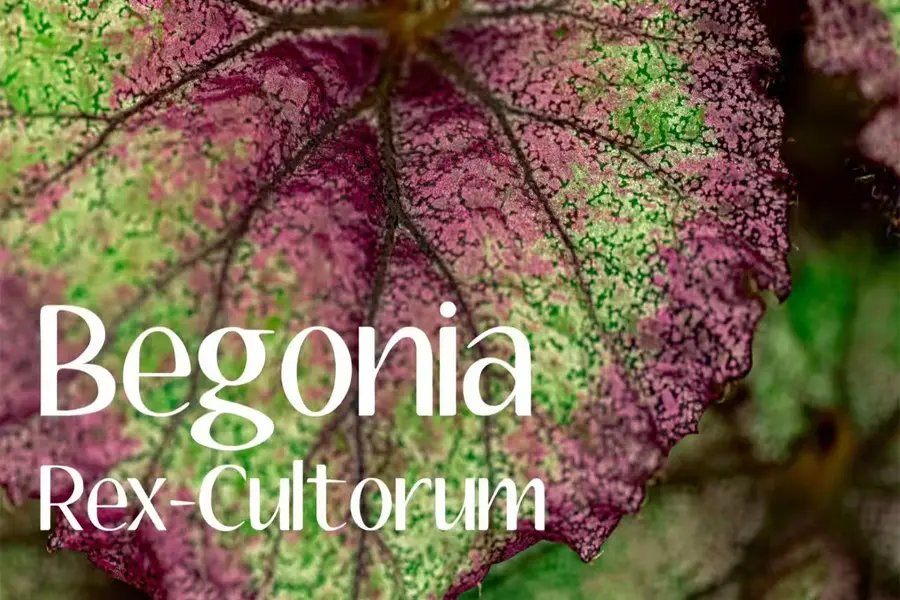
Rex begonias look unstoppable—until leaves crisp, colours fade, or the crown collapses. The fix is simple: dial in light, moisture, and airflow (without soaking the foliage).
Grow Begonia rex (Rex Begonia / Begonia rex-cultorum Group) in bright, indirect light, evenly moist—but never soggy—soil, and warm conditions with higher humidity and good airflow. Let the top layer of mix dry slightly before watering again, avoid wetting leaves/crown, and reduce water in winter.
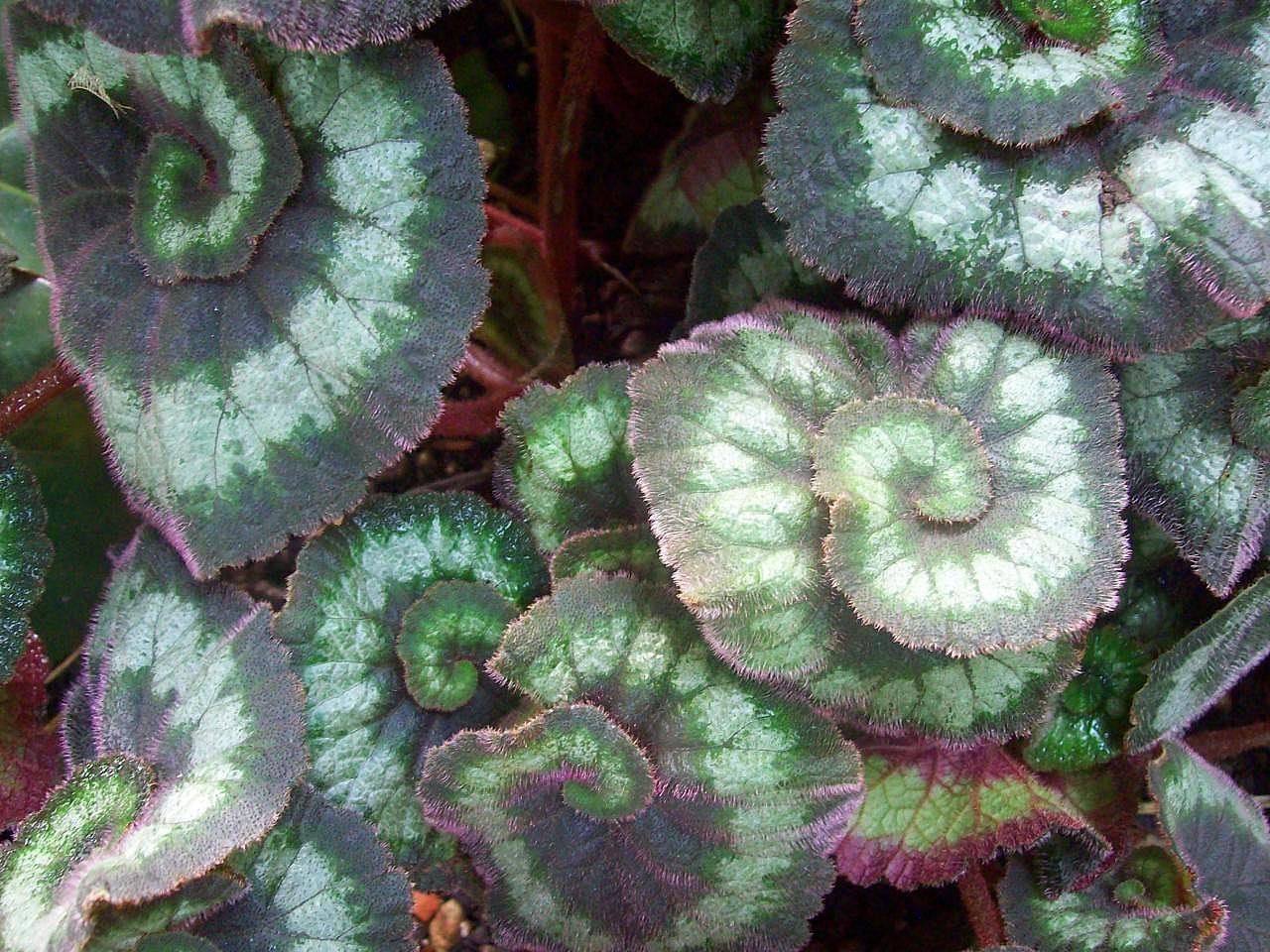
Care Requirements for begonia rex
| Requirement | What works best for Begonia rex (Rex Begonia) |
|---|---|
| Botanical name (verified) + common name | Begonia rex-cultorum Group (often sold as Rex Begonia / fancy-leaf begonia / king begonia) |
| Light (with placement examples) | Bright, indirect light. Examples: 0.5–1.5 m (2–5 ft) back from a south/west window behind a sheer; right in an east window (avoid hot summer direct sun on leaves). Fluorescent/grow lights can work. |
| Watering baseline (what to check before watering) | Water when the top ~2–3 cm (about 1 in) of mix feels dry; keep the root zone evenly moist but never waterlogged. Avoid wetting leaves and the crown. |
| Temperature range + cold sensitivity | Warm, stable conditions. Aim roughly 18–24°C (65–75°F); growth slows below ~16°C (60°F). Frost tender; keep above RHS minimums for rex-type begonias (commonly ≥13°C / 55°F as a safe baseline). |
| Humidity (what is sufficient vs risky) | Moderate to high humidity helps; increase humidity without misting. Risky: stagnant, over-humid air + wet leaves → mildew/rot. |
| Soil/substrate (drainage/aeration) | Moisture-retentive but free-draining houseplant compost. Practical baseline: quality multipurpose (peat-free/coir-based or similar) with extra aeration if it stays wet too long. |
| Pot & drainage (must-have features) | A pot with drain holes is non-negotiable. Use a setup that lets excess water escape fully (no “standing water” in cachepots). |
| Fertilising (type + frequency guidance) | Feed during active growth only. A light routine (e.g., dilute fertiliser every 2–3 weeks) is safer than strong, infrequent feeding. Reduce/stop in winter when growth slows. |
| Toxicity/pet safety (or confirm statement) | Toxic to cats/dogs if chewed (Begonia spp.; calcium oxalates). Keep out of reach and treat ingestion as a vet/poison-control issue. |
| Difficulty level (Beginner/Intermediate/Advanced) | Intermediate (because watering + airflow balance matters). |
Where should you place a Rex Begonia for the best colour without scorch?
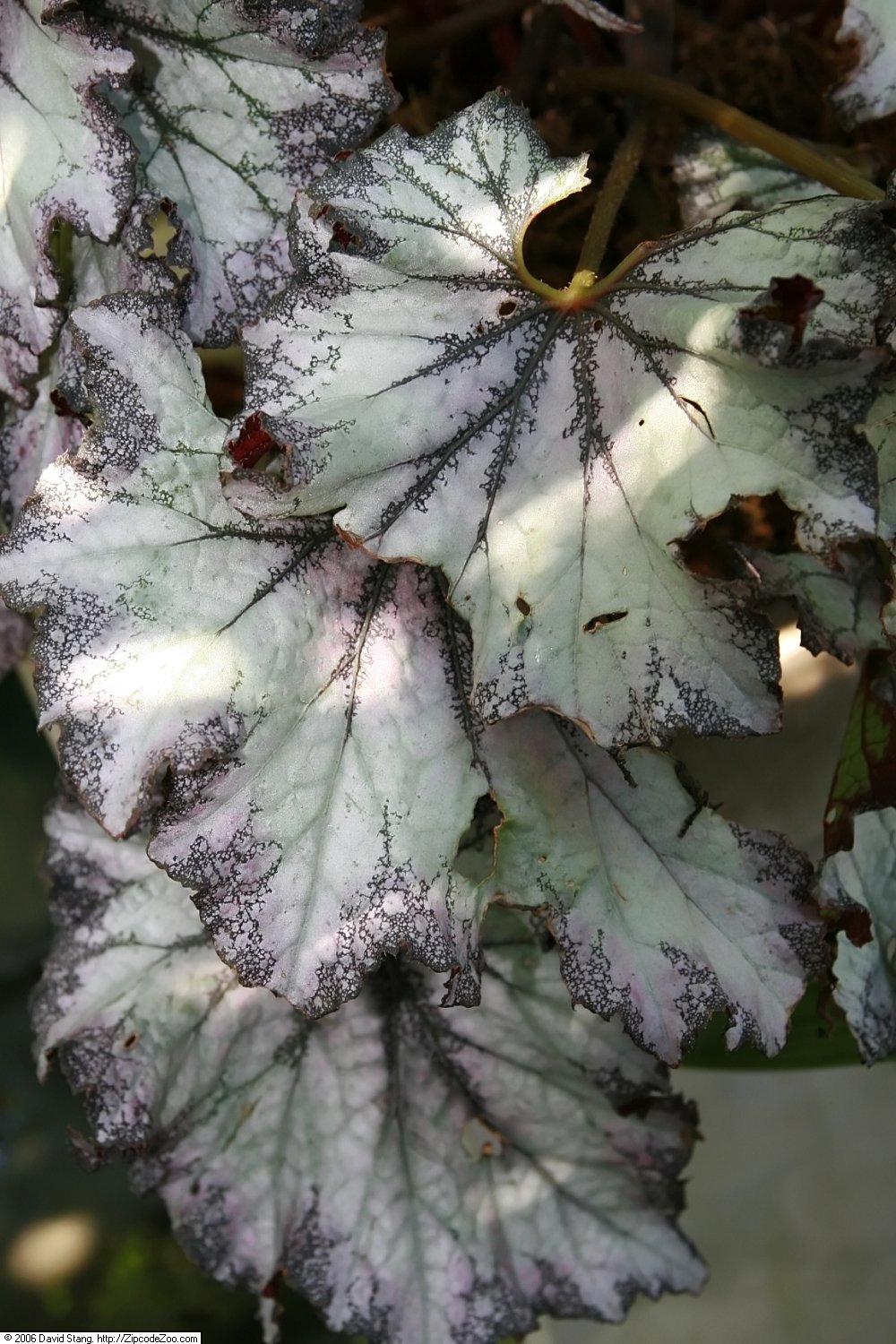
Washed-out leaves usually mean too little light; crispy patches often mean too much sun. Rex begonias want “bright shade,” indoors.
Give Rex Begonia bright, indirect light for strong colour and compact growth. Protect leaves from hot direct sun (especially midday/afternoon). Rotate the pot for even growth and use artificial light if winter windows are dim.
Key placement checks (use these triggers):
- If colours fade / stems stretch: move closer to a bright window (still avoiding direct sun) or add a grow light.
- If you see scorched, papery patches: pull the plant back from the glass or add a sheer curtain.
- If the plant leans: rotate the pot a quarter turn weekly so one side doesn’t “hog” the light.
Indoor placement examples (practical, not perfect):
- East window: often ideal; morning sun is gentler, but watch hot summer glare.
- South/west window: workable only with diffusion (sheer) or distance from the window to prevent leaf scorch.
- Grow lights: useful in winter if your plant slows and drops leaves due to low light. Keep the canopy bright but not heat-stressed; raise the light if leaves bleach or curl.
Quick “light audit” checklist:
- Leaves staying richly patterned? ✅
- No crispy bleached zones on the most exposed leaves? ✅
- New leaves emerging smaller than old ones? → Usually light too low, or the plant is slowing for winter.
How do you water Rex Begonia without triggering root rot?
Most Rex Begonia failures are not “too dry”—they’re “wet for too long.” Fix the timing, not the volume.
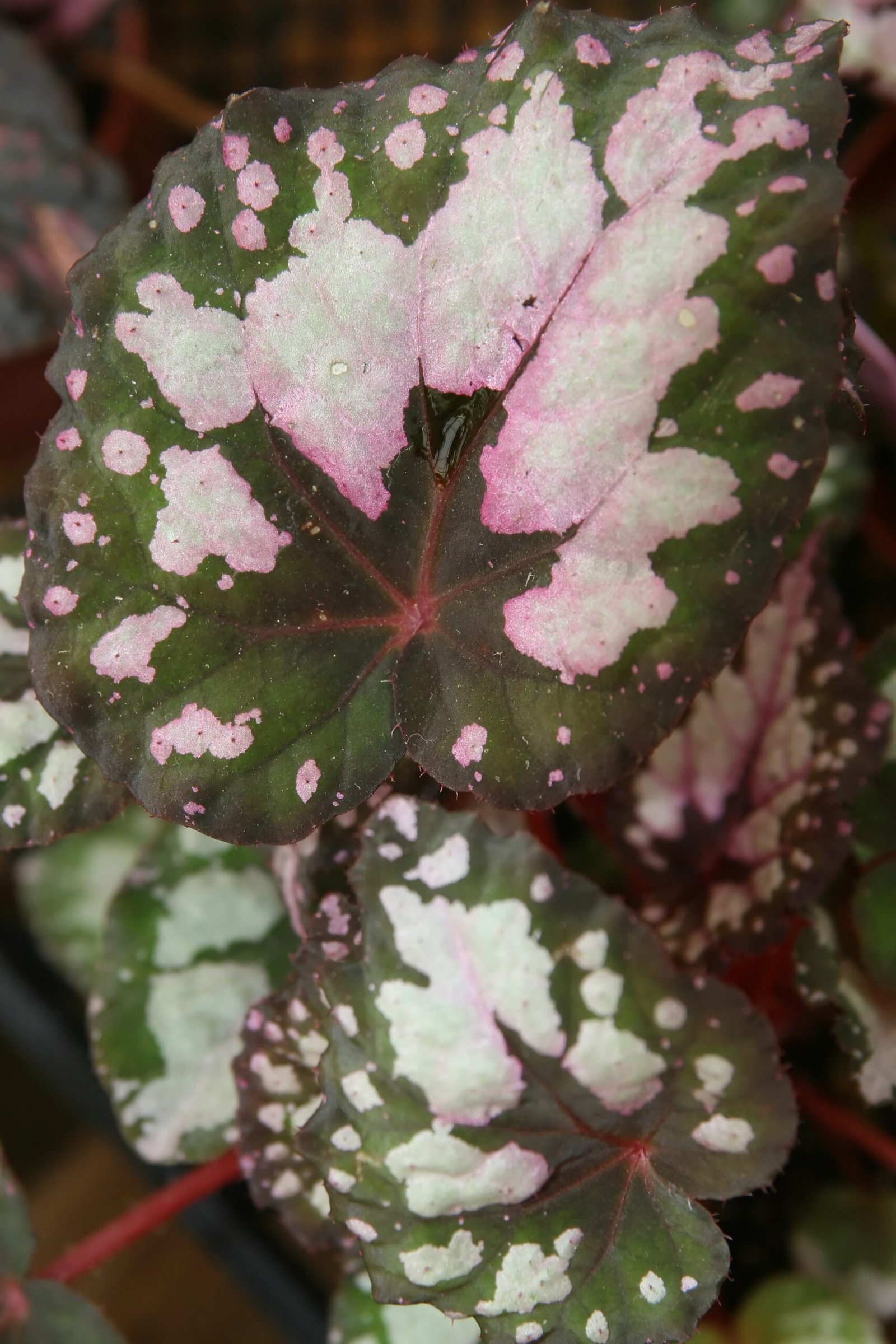
Water thoroughly, then let excess drain completely. Wait until the top layer of mix dries slightly before watering again. Keep water off leaves and the crown, and reduce watering in winter when growth slows or dormancy appears.
The watering routine that prevents “wet feet”
- Check before watering:
Press a finger into the top 2–3 cm (about 1 in) of mix. If it feels dry at that depth, water. If it still feels cool/damp, wait. - Water like you mean it:
Water until it runs from the drain holes. This flushes salts and hydrates evenly. - Drain completely:
Never leave the pot sitting in water. Empty saucers/cachepots after draining. - Keep water off the leaves and crown:
Rex begonias are more mildew-prone when foliage stays wet, and crown wetness raises rot risk. - Adjust for season, not the calendar:
In fall/winter, many cultivars slow down or may drop leaves. When growth pauses, keep the mix barely moist, not “houseplant-wet.”
Red flags that mean you should change something immediately
- Persistent droop + wet mix: treat as a rot-risk emergency. Stop watering, increase airflow, and check roots.
- Mushy crown / blackened rhizome: rot is likely advanced. Salvage healthy rhizome sections or leaf cuttings (see propagation).
- Leaves curling + dry mix: you waited too long or humidity is too low—check both before you “flood” the pot.
What soil mix and pot setup keeps Rex Begonia roots healthy?
If the potting mix stays wet for days, roots suffocate. If it dries in hours, leaves crisp. The goal is “moist, airy, fast-draining.”
Use a free-draining houseplant compost and a pot with drainage holes. Rex Begonia prefers consistent moisture with oxygen around roots—so adjust the mix to drain well, and size the pot to match the root/rhizome mass.
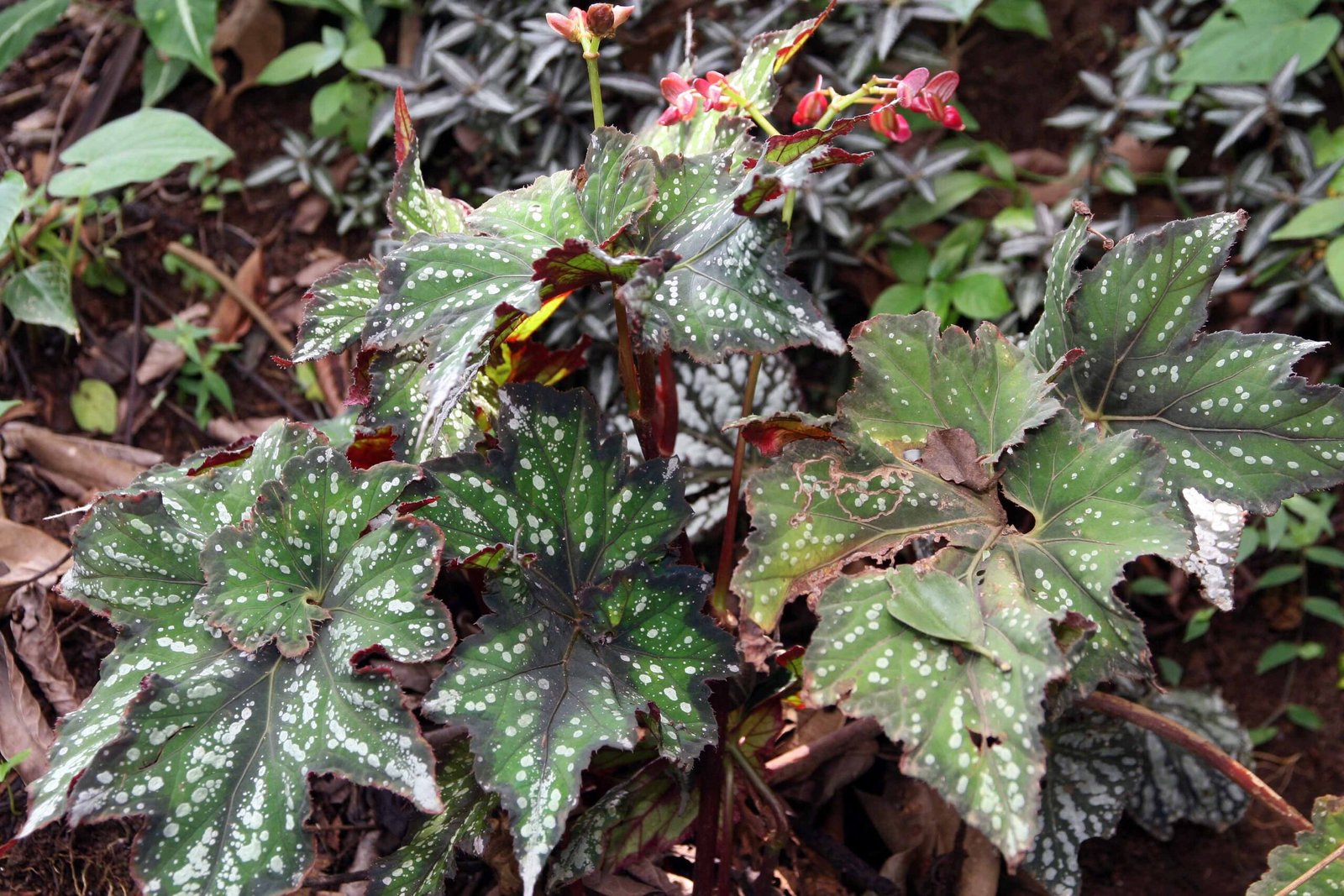
A practical substrate target (what you’re aiming for)
Rex begonias are rhizomatous and dislike “stagnant wet.” Your potting mix should:
- Re-wet evenly (no hard, water-repellent chunks).
- Drain freely after watering (no swampy bottom).
- Stay lightly moist for several days—not soggy for a week.
Reliable baseline:
- A good-quality multipurpose houseplant compost (RHS notes multipurpose compost / John Innes-type options for begonias), with extra aeration if your environment is cool or low-light.
How to decide if you need more aeration (simple test):
- Water the pot thoroughly.
- If the mix is still very wet after 4–5 days in average indoor conditions, add more drainage components next repot (or repot now if root rot is brewing).
Pot choice: what matters (and what doesn’t)
- Drain holes: mandatory.
- Pot size: slightly snug is safer than oversized. Overpotting is a common reason mixes stay wet too long.
- Shape: rhizomatous begonias often do well in a pot that allows shallow spread rather than an overly deep “wet column.”
Repotting triggers (don’t repot on a whim)
Repot when you see:
- Rhizomes crawling to the pot edge with little mix left to buffer moisture.
- Water runs straight through channels, leaving dry pockets (mix has collapsed).
- The plant dries out extremely fast and you’re watering too often (root/rhizome mass has outgrown the pot).
- You suspect rot and need to inspect roots/rhizomes urgently.
How do you balance humidity and airflow to prevent mildew and pests?
Rex begonias like humid air—but not wet leaves in still air. That combination is mildew’s favourite.
Increase humidity around Rex Begonia using pebble trays or grouping plants, but avoid misting. Pair humidity with gentle airflow and remove dead leaves promptly to reduce mildew/botrytis and pest pressure.
Humidity without leaf wetness (safer methods)
- Pebble tray: keep water level below the pot base so the pot doesn’t sit in water.
- Group plants: raises local humidity modestly.
- Bright bathroom/kitchen: often naturally more humid—only if light is adequate.
- Small fan (gentle): improves air movement and reduces fungal risk.
Avoid: frequent misting or leaving water on leaves. RHS and extension guidance warn that wet leaves + poor ventilation can increase mildew problems.
Airflow + hygiene: the “invisible care” that prevents disasters
- Remove dead leaves and debris on the soil surface (reduces botrytis and pests).
- Don’t crowd foliage against cold glass or a heater vent; temperature swings stress leaves and invite issues.
- If you see powdery patches, treat it as a ventilation + leaf-wetting problem first (not just a spray problem).
Pest watch (quick, targeted)
Rex begonias can attract:
- Mealybugs (cottony clusters at nodes/undersides)
- Thrips/mites (fine stippling, distortion, dusty-looking damage)
What works best early: isolate the plant, wipe pests off, and correct conditions (especially airflow and overfeeding). If you need pesticides, confirm product suitability for begonias with an authoritative horticulture source before applying.
What do common Rex Begonia problems look like—and how do you fix them?
| Symptom | Most likely cause | What to do now | Prevention |
|---|---|---|---|
| Yellowing leaves | Overwatering; low light; seasonal slowdown | Let mix dry slightly; move to brighter indirect light; remove yellow leaves | Water by feel (top layer dry check); avoid oversized pots |
| Leaf curl or droop | Mix too dry; humidity too low; heat/cold drafts | Check soil moisture at 2–3 cm depth; move away from vents; raise humidity safely | Stable placement; consistent watering triggers; pebble tray + airflow |
| Brown tips/edges | Low humidity; uneven watering; fertiliser salts | Improve humidity without misting; water more evenly; flush mix occasionally | Light, regular feeding; good drainage; don’t let compost fully dry repeatedly |
| Root rot risk signs (mushy crown, sour smell, limp leaves with wet soil) | Soil staying wet too long; overpotting; poor drainage | Stop watering; unpot and trim rotten roots/rhizome; repot into airy mix; increase airflow | Drain holes; right pot size; water only after top layer dries |
| Powdery mildew (white/grey powder on leaves) | Wet foliage + still, humid air | Improve ventilation; keep leaves dry; remove badly affected leaves | No misting; gentle airflow; avoid overcrowding |
| Botrytis/grey mould (soft spots, grey fuzz on dying tissue) | Dead leaves left in place; cool, damp conditions | Remove infected tissue; improve airflow; keep crown/foliage dry | Regular grooming; avoid cold rooms + wet soil |
| Pest signals (sticky residue, cottony clusters, speckling, distorted new growth) | Mealybugs/mites/thrips; stressed plant | Isolate; wipe pests; inspect undersides; confirm treatment options before applying | Quarantine new plants; keep airflow; avoid overfeeding |
| Stalled growth | Low light; cold temps; winter dormancy | Increase light (window/grow light); keep warmer; reduce watering if dormant | Seasonal adjustments; don’t force-feed during low-light months |
How does seasonal care change for Rex Begonia?
Spring/Summer (active growth):
- Light: keep bright, indirect; protect from stronger sun as days lengthen.
- Water: water more often, but still only when the top layer dries slightly. Good drainage matters even more in warm weather.
- Feed: begin feeding when you see steady new growth; maintain a light, regular schedule through the growing season.
- Humidity + airflow: higher humidity helps leaf quality; pair it with ventilation to avoid mildew.
- Pest checks: increase frequency—warm seasons can accelerate pests.
Autumn/Winter (slower growth or dormancy):
- Light: move to the brightest indirect spot you have, or add a grow light. Low light is a common trigger for leaf drop/dormancy.
- Water: reduce watering. Allow the surface of the compost to dry before watering again; keep the mix on the drier side if the plant is not actively growing.
- Feed: stop or greatly reduce fertiliser until growth resumes.
- Temperature: avoid cold windowsills and drafts; keep above minimum temperature guidance for rex-type begonias.
When to repot (best timing + clear signs):
- Best timing is usually spring/early summer when growth rebounds.
- Repot sooner if you see rot risk signs, the mix collapses and stays wet, or rhizomes have clearly outgrown the container.
How can you propagate Rex Begonia successfully at home?
RHS lists leaf cuttings and sections of rhizome as standard propagation methods for Rex Begonia. Use whichever matches your plant’s health and your confidence.
Best method (reliable for most growers): Leaf cuttings
Materials:
- Clean scissors/knife
- Small pots or trays with a light, clean propagation medium
- Transparent cover (optional) for humidity
- Labels (date + cultivar name)
Step-by-step:
- Choose a mature, healthy leaf (avoid old, damaged, or pest-marked leaves).
- Cut the leaf with a short stem piece (petiole) or use leaf sections (depending on your preferred technique).
- Insert the petiole into the medium, or pin leaf sections flat against the medium so cut veins contact the surface.
- Keep the medium lightly moist (not wet) and warm, in bright indirect light.
- Ventilate regularly if covered—stagnant air encourages mould.
- Wait for plantlets to form; pot up only when each has a small root system.
Common failure points (and how to avoid them):
- Rotting cuttings: medium too wet or cold → keep warmer, lighter moisture, more airflow.
- Mould: humidity cover sealed too tightly → vent daily; remove decaying tissue fast.
- No growth: too little light or using exhausted leaves → brighter indirect light; use healthy, vigorous foliage.
Alternative method: Rhizome sections (fast if you have “spare” rhizome)
When to choose this: the rhizome has grown long/leggy, or you’re repotting anyway.
- Cut a healthy rhizome section with at least one growth point.
- Set it on or slightly into a free-draining medium; keep barely moist until new growth appears.
If you are unsure which propagation method suits your cultivar or setup, confirm with an authoritative horticulture source before applying.
Which video demonstrates Rex Begonia care in a practical walkthrough?
Dallas Arboretum and Botanical Garden shares a clear, beginner-friendly overview of Rex Begonia basics (light, shade, and container-growing habits).
- https://www.youtube.com/watch?v=meuBf9Qaaiw
Rex Begonia FAQs
Is Begonia rex an indoor plant or can it go outside?
Rex begonias are commonly grown as houseplants because they’re frost tender and prefer sheltered, warm conditions. They can go outdoors in warm weather if nights stay mild and the plant is protected from direct sun and heavy rain. Think “bright shade” rather than sunbathing: a covered patio, shaded balcony, or under a tree canopy often works. Outdoors, wind and drying can increase watering needs, while rain can over-soak the mix and wet leaves—both increase disease risk. If you summer it outside, acclimate gradually, keep it in a draining pot, and bring it in before temperatures drop toward cool nights.
Why are my Rex Begonia leaves turning brown on the edges?
Brown edges are most often a humidity + watering consistency problem: indoor air (especially in heated winter homes) can be too dry, and the mix may cycle from too wet to too dry. Start by checking moisture at about 1 inch deep and watering only when that layer is dry, then draining fully. Improve humidity with a pebble tray or grouping plants, but avoid misting because wet leaves can increase mildew risk. Also consider fertiliser salts: if you feed regularly, occasionally flush the pot thoroughly and let it drain. Finally, keep the plant away from heater vents and cold drafts, which can desiccate leaf margins quickly.
How often should I water a Begonia rex?
There is no safe weekly schedule—water by soil feel. A common baseline is to water when the top 2–3 cm (about 1 inch) of potting mix is dry to the touch, then water thoroughly and let it drain completely. In brighter, warmer conditions, that might be every few days; in winter or low light, it might be much less. If your plant is slowing down or dropping leaves in winter, reduce watering further and keep the mix barely moist. The highest-risk pattern is frequent small sips that keep the pot constantly damp—this is how root and rhizome rot gets started.
Should I mist Rex Begonia leaves to raise humidity?
Usually, no. Rex begonias benefit from higher humidity, but wet leaves + still air can raise the chance of powdery mildew and other fungal issues. Safer humidity strategies include a pebble tray (with water below the pot base), grouping plants, or using a humidifier with gentle airflow nearby. If you do mist despite the risks, do it only when you can ensure leaves dry quickly and ventilation is good—otherwise you’re trading short-term humidity for long-term disease pressure. In most homes, “humid air + dry leaves + airflow” is the best target.
Is Begonia rex safe for pets?
Begonias (Begonia spp.) are considered toxic to cats and dogs if chewed because they contain calcium oxalates; the most toxic parts are typically underground structures. Symptoms can include oral irritation, drooling, and vomiting—treat it as a preventable hazard. Place Rex Begonia well out of reach, especially if your pet likes to nibble. If ingestion happens, contact your veterinarian or a pet poison-control resource promptly. If you need a pet-safe plant list, confirm options with an authoritative veterinary or horticulture source rather than relying on social media lists.
References
- Begonia rex-cultorum Group overview and care notes (Missouri Botanical Garden – Plant Finder) https://www.missouribotanicalgarden.org/PlantFinder/PlantFinderDetails.aspx?isprofile=0&taxonid=242218
- Rex Begonia (Begonia rex-cultorum) fact sheet (University of Connecticut – Home and Garden Education Center) https://homegarden.cahnr.uconn.edu/factsheets/rex-begonia/
- Begonias: houseplants care guidance (Royal Horticultural Society) https://www.rhs.org.uk/plants/begonias/houseplants
- Begonia rex (R) botanical details + propagation notes (Royal Horticultural Society) https://www.rhs.org.uk/plants/101666/begonia-rex-%28r%29/details
- Begonia toxicity for pets (ASPCA Animal Poison Control) https://www.aspca.org/pet-care/aspca-poison-control/toxic-and-non-toxic-plants/begonia
- Humidity and houseplants (University of Nebraska–Lincoln Extension – humidity guidance including rex begonias) https://lancaster.unl.edu/success-houseplants-humidity/
