
How to Ship Live Plants Safely: Packaging Solutions That Work
Whether you are a nursery owner, an online plant shop, or a hobbyist sharing cuttings with friends, proper packaging is the key to ensuring your plants arrive healthy and intact. In this guide, we explore three proven protective packaging solutions that keep your green treasures safe during transit.
Explore Solutions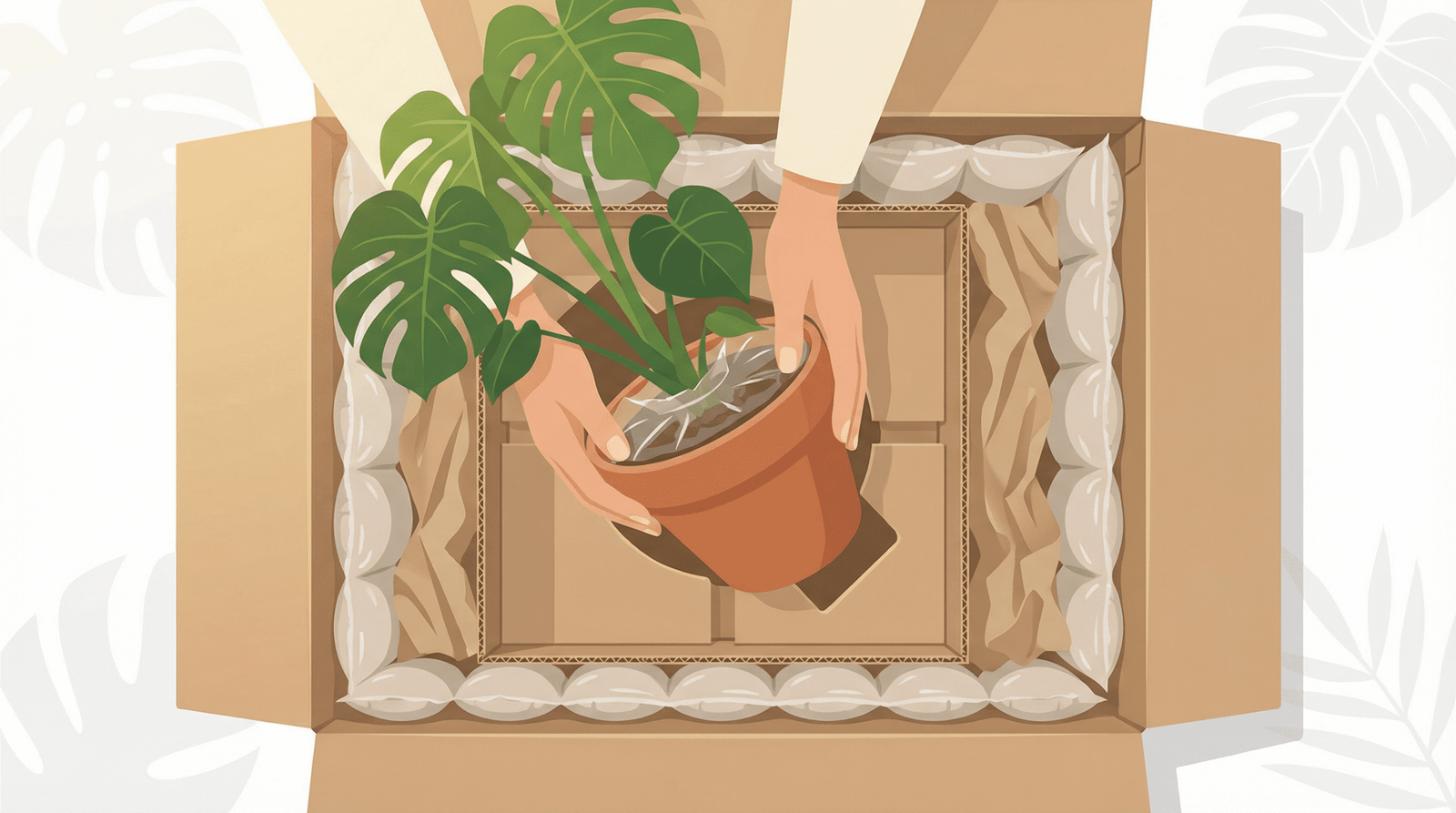
The Challenges of Shipping Live Plants
Live plants are among the most delicate items to ship. Unlike standard products, they are living organisms that need protection from physical impact, temperature fluctuations, and moisture loss. The right packaging makes all the difference between a thriving delivery and a damaged one.
Impact Protection
Plants in ceramic or terracotta pots are especially vulnerable to drops and vibrations during transit. Cushioning materials absorb shock and prevent breakage.
Secure Positioning
A plant that shifts inside its box will suffer stem damage and soil spillage. Void-fill materials keep pots firmly in place throughout the journey.
Eco-Friendly Options
Plant lovers care about the environment. Sustainable packaging materials like kraft paper and recycled cardboard align with your customers’ values.
3 Proven Packaging Methods for Live Plants
Each method offers unique advantages depending on your plant type, shipping distance, and budget. Here is a detailed look at the three most effective options.
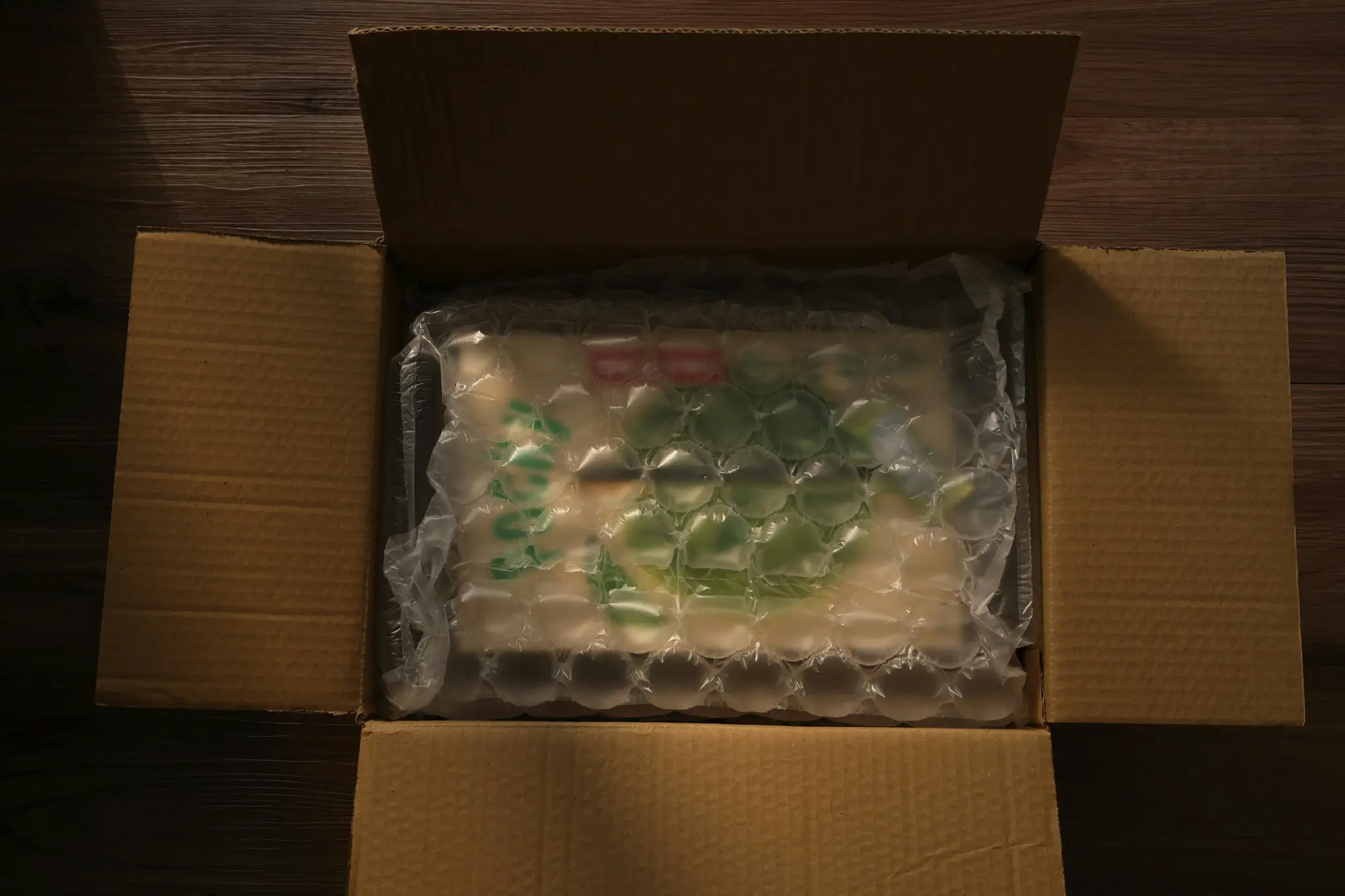
Air Cushion Packaging
Air cushion packaging uses inflatable film technology to create lightweight, form-fitting protective layers around your plants and pots. The air-filled cushions conform to any shape, providing superior shock absorption during transit. Whether you are shipping succulents in ceramic pots or tall tropical plants in terracotta planters, air cushion packaging delivers reliable protection with minimal material waste.
- Conforms to any pot shape for a custom-fit protective wrap
- Ultra-lightweight — reduces overall shipping costs
- Excellent shock absorption against drops and vibrations
- On-demand inflation saves up to 99% storage space
- Transparent design allows easy visual inspection of contents
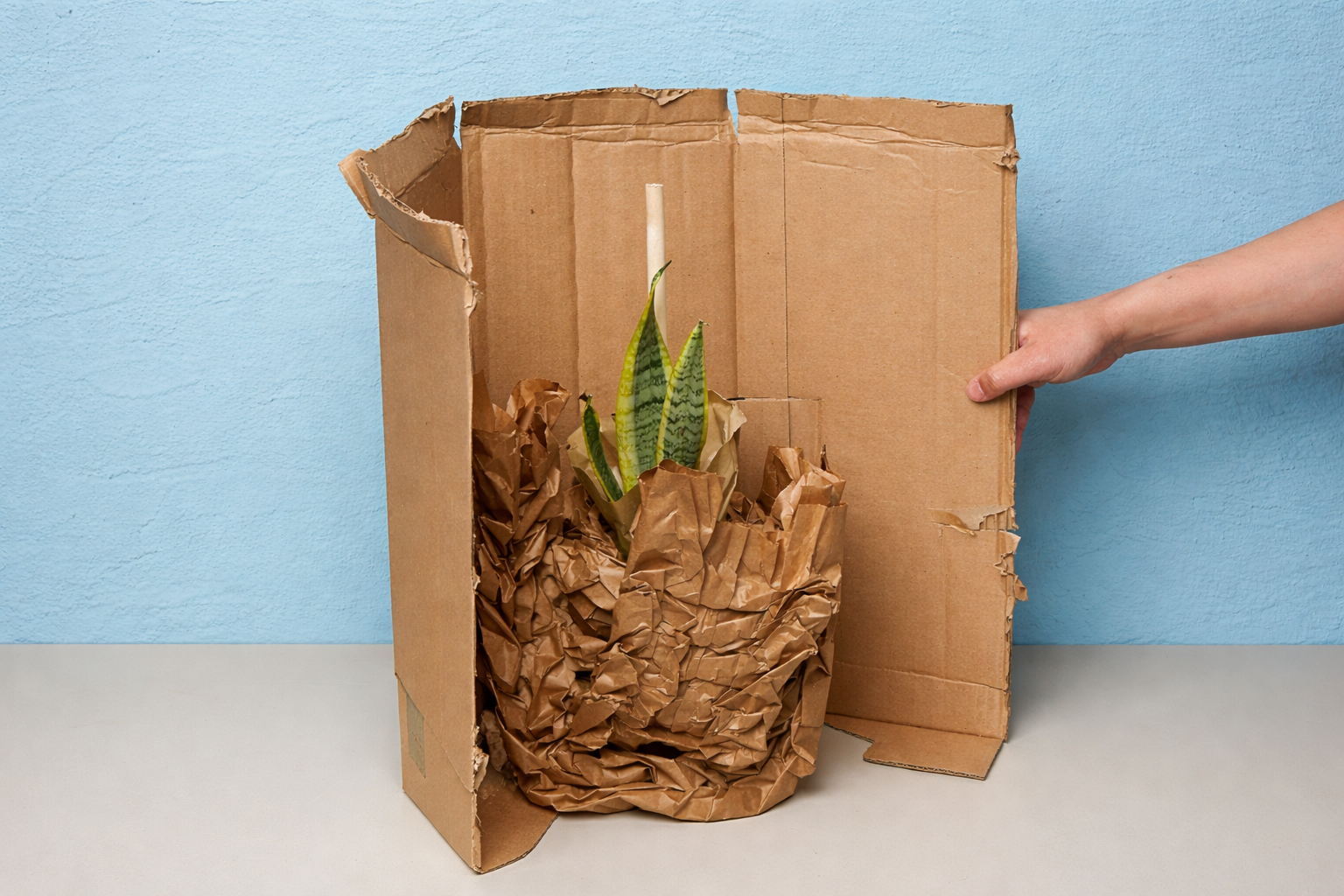
Kraft Paper Cushioning
Kraft paper is the go-to choice for environmentally conscious plant sellers. Made from recycled or FSC-certified materials, it can be crumpled, folded, or shaped into custom nests that cradle your plants securely. It is fully biodegradable and compostable, making it a perfect match for the plant-loving community.
- 100% recyclable and biodegradable
- Excellent void-fill capability for irregular shapes
- Absorbs moisture without losing structural integrity
- Cost-effective for high-volume shipping
- Available in fanfold format for easy dispensing

Cardboard Void Fill
Shredded or perforated cardboard is one of the most sustainable and economical void-fill solutions available. By converting used cardboard boxes into cushioning material with a desktop cardboard shredder, you can create an effective protective layer that keeps plants stable while reducing waste. It is the ultimate circular packaging solution.
- Repurposes waste cardboard into protective packaging
- Strong structural support prevents shifting
- 100% recyclable and compostable
- Reduces packaging material costs significantly
- Desktop shredders make on-demand production easy
Packaging Solutions at a Glance
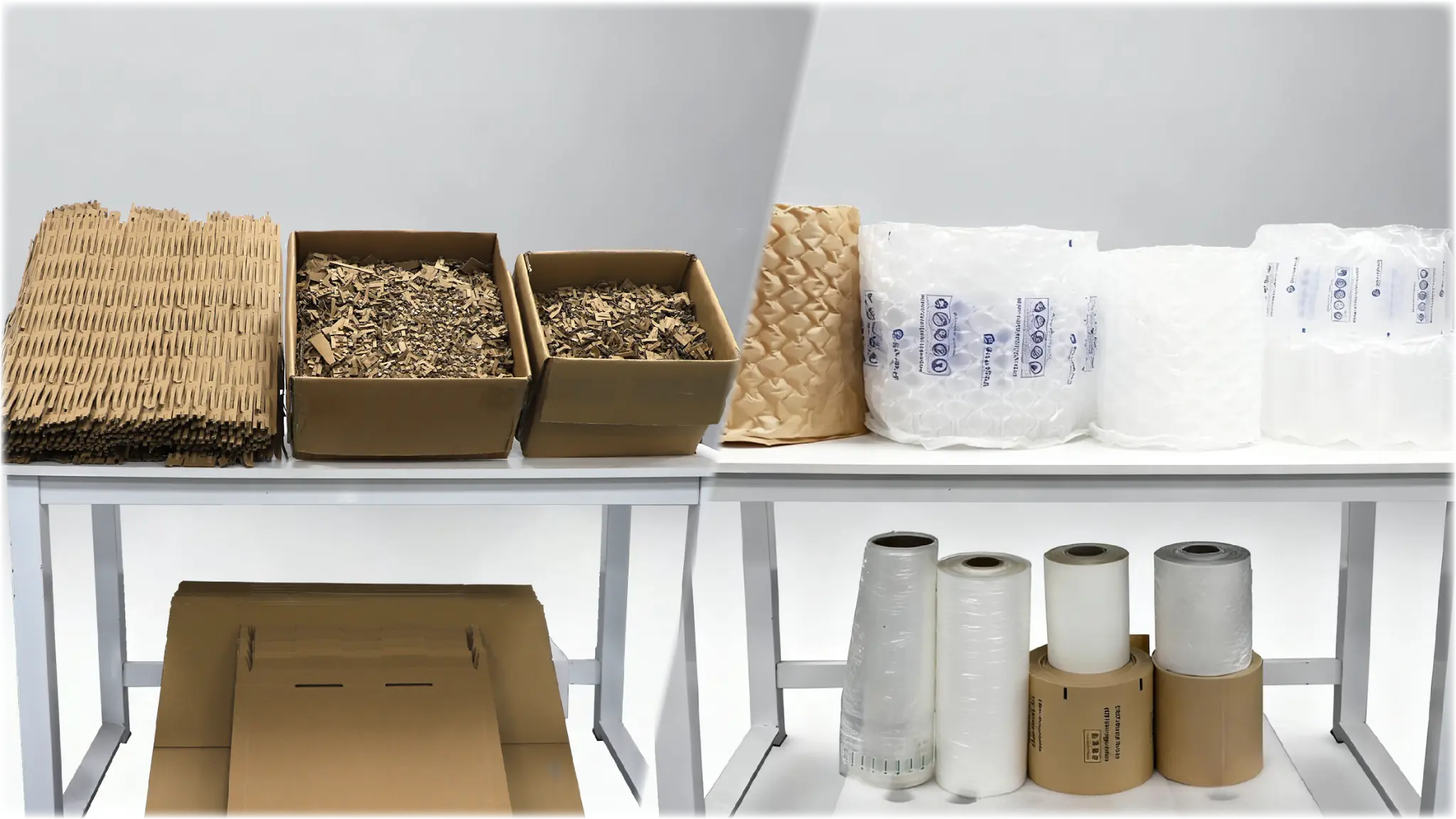
Not sure which option is right for you? This comparison table highlights the key differences to help you make an informed decision based on your specific needs.
| Feature | Air Cushion | Kraft Paper Cushion | Cardboard Void Fill |
|---|---|---|---|
| Protection Level | Excellent | Very Good | Good |
| Best For | Fragile pots, heavy plants, long-distance shipping | Medium-sized plants, eco-conscious brands | Lightweight plants, local/regional shipping |
| Eco-Friendliness | Recyclable (HDPE) | Biodegradable & Compostable | 100% Recycled & Recyclable |
| Weight Added | Minimal | Light | Light to Moderate |
| Cost per Shipment | Medium | Low | Very Low |
| Storage Space | Minimal (inflate on demand) | Moderate (fanfold rolls) | Minimal (shred on demand) |
| Moisture Resistance | Excellent | Moderate | Low |
| Customization | Logo printing available | Various paper types & widths | Adjustable shred size |
General Tips for Shipping Live Plants
Regardless of which packaging material you choose, these universal best practices will help ensure your plants arrive in perfect condition.
Water 24–48 Hours Before Shipping
Water your plants one to two days before packing. This ensures the soil is moist but not soggy, reducing the risk of root rot and excess moisture during transit.
Secure the Soil Surface
Cover the soil with plastic wrap or a plastic bag secured around the base of the stem. This prevents soil from spilling and keeps moisture locked in during shipping.
Protect Foliage Separately
Wrap delicate leaves and stems with tissue paper or a breathable sleeve before placing the plant in its cushioning material. This prevents breakage and bruising.
Choose the Right Box Size
Select a box that fits snugly around your packaged plant. Too much empty space allows movement; too little space can crush foliage. Fill all voids with cushioning material.
Label Clearly: “Live Plants”
Mark your box with “LIVE PLANTS,” “FRAGILE,” and “THIS SIDE UP” labels. This alerts handlers to treat the package with extra care throughout the delivery process.
Ship Early in the Week
Avoid shipping on Fridays or before holidays. Packages shipped Monday through Wednesday are less likely to sit in a warehouse over the weekend, reducing transit time.
Need Packaging Solutions for Your Plant Business?
Whether you ship 10 plants a week or 10,000, SelectPack offers industrial-grade protective packaging equipment and materials tailored to your needs. From inflatable air column systems to paper cushioning machines, we help plant businesses ship smarter.