Big plant events can be loud, costly, and disappointing when the stock is generic. The Rare Plant Festival in Miami is different—if the visit is planned around real collecting priorities.
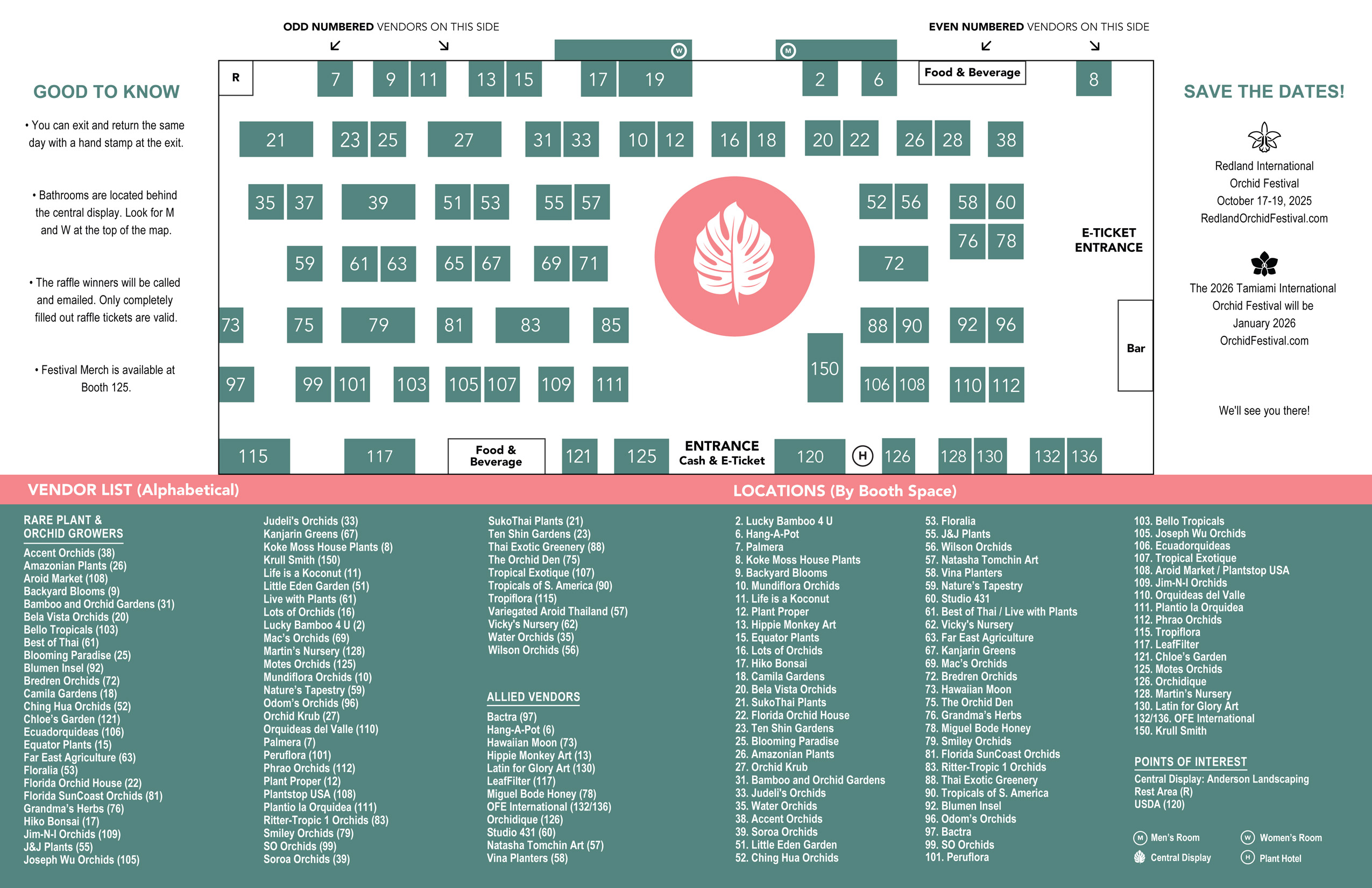
The Rare Plant Festival in Miami runs May 1–3, 2026 at the Fuchs Pavilion, Miami-Dade County Fair & Expo Center and is described as an indoor, air-conditioned festival with 60+ specialised vendors offering orchids, aroids, and other hard-to-find tropical plants, plus supplies and botanical art. Ticket pricing and daily hours should be confirmed on the official channel before visiting.
The guide below focuses on practical decisions: when to arrive, what to bring, how to judge plant health fast, and how to leave with plants that actually fit the grow space.
Core event information
Note on naming: the venue calendar lists “The Rare Plant Festival”, while the Greater Miami & Miami Beach listing uses “Rare Plants and Orchid Festival.” Both point to the same May 1–3, 2026 dates at the same venue.
| Quick Facts | Details |
|---|---|
| Event | Rare Plant Festival (Miami) / Rare Plants and Orchid Festival |
| Dates (2026) | May 1–3, 2026 |
| Venue | Fuchs Pavilion, Miami-Dade County Fair & Expo Center |
| City / State / Country | Miami, Florida, USA |
| Address (public) | 10901 Coral Way, Miami, FL 33165 |
| Setting | Indoor, air-conditioned hall |
| Typical vendor mix (as listed) | Orchids, aroids, rare tropicals; plus supplies, planters, accessories, botanical art |
| Entry fee | Confirm on the official channel before visiting |
| Raffles (as listed) | Complimentary raffles; e-ticket holders entered automatically; children under 12 admitted free |
| Official booking / updates | https://www.rareplantfestival.com/ (Confirm on the official channel before visiting) |
| Venue calendar listing | Miami-Dade County Fair & Expo Center “Upcoming Events” page |
| Getting there (high-level) | By car/ride-share is simplest; public transport options vary—confirm routes and stops before travelling |
How to get there (planning notes)
- Public transport: The venue sits by Florida International University (FIU). For the most reliable plan, use Miami-Dade Transit trip planning for the travel date and time, because routes and weekend frequencies can change. Confirm on the official channel before visiting.
- Driving / taxi / ride-share: Use the published address and plan for peak arrival surges (opening hour and mid-day). Parking rules and pricing are event-dependent—confirm on the official channel before visiting.
- Nearest major airport: Miami International Airport (MIA) is the closest major airport for most travellers. Fort Lauderdale–Hollywood International (FLL) can also be viable depending on flight pricing and lodging.
What types of rare plants and vendors should visitors expect?
A rare-plant show can still feel random if expectations are vague. The goal is to arrive knowing what “good stock” looks like for orchids and aroids, and what is worth paying show prices for.
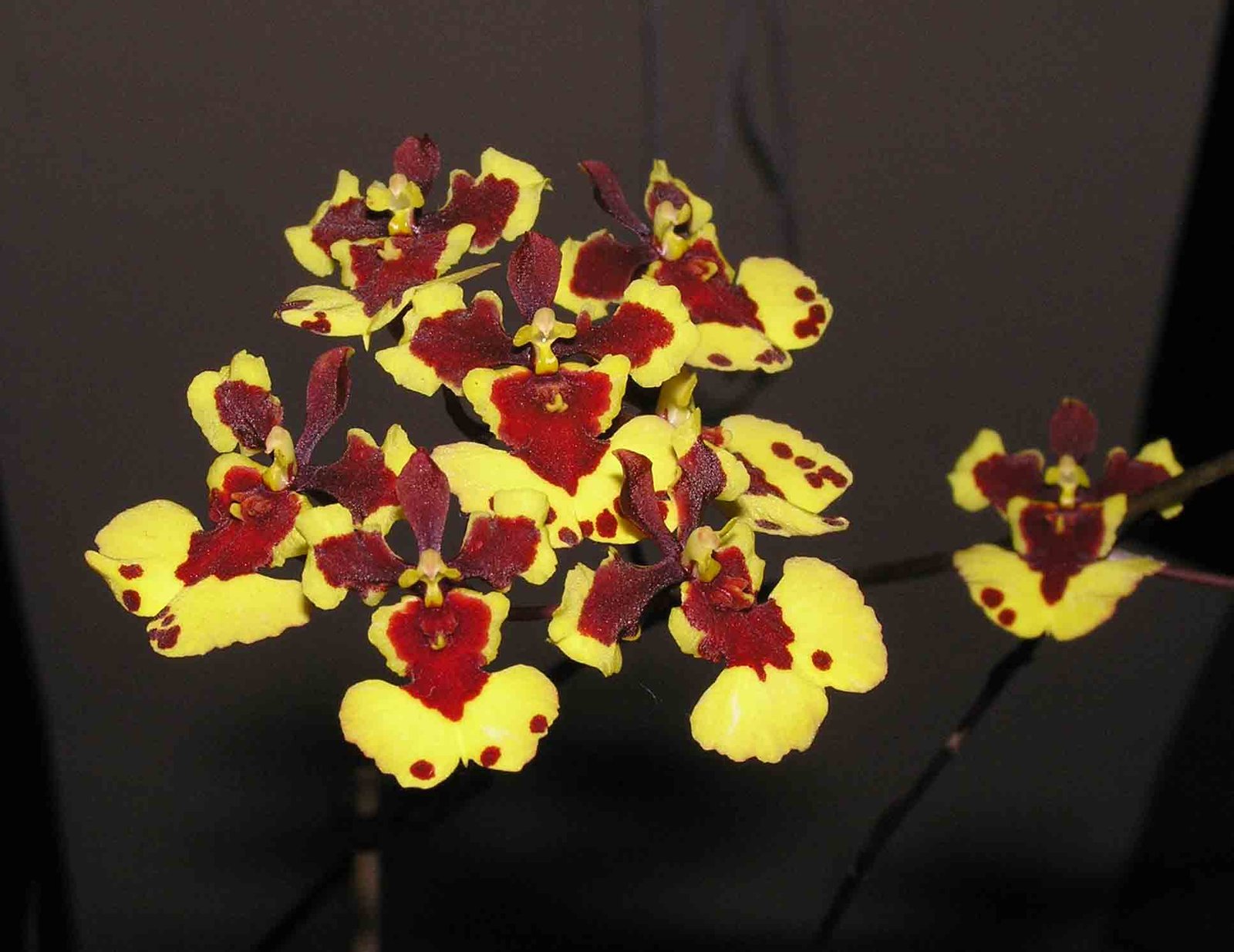
This festival is described as hosting 60+ specialised vendors with a heavy emphasis on orchids and tropical plants, including aroids, alongside vendors selling supplies, planters, accessories, and botanical art. That mix supports both new collectors building basics and experienced buyers hunting specific clones—if search strategy is planned.
Dive deeper: how to “read” the vendor floor in the first 30 minutes
Start with a quick scan rather than immediate purchasing. Shows with many specialist sellers often cluster by category even without a formal map: orchid tables with blooming stock and mounts; aroid tables with labeled juveniles; and “support” vendors selling substrate, pots, racks, trellises, lights, and pest tools.
Use three passes:
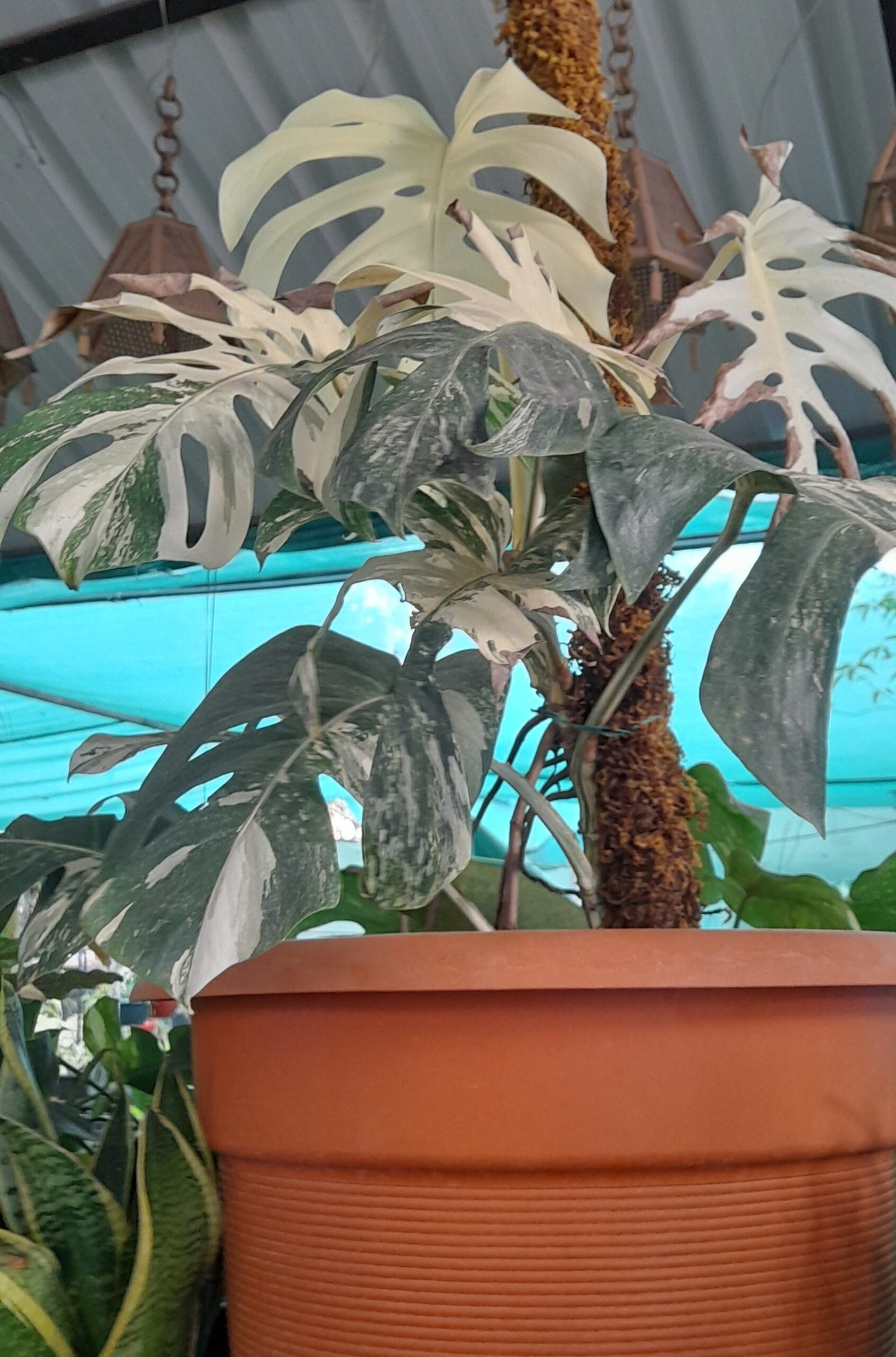
- Pass 1 (orientation): Identify “anchor vendors” for each target category. For orchids, note sellers with clean labeling (genus, hybrid name, parentage when relevant). For aroids, look for consistent labeling that includes cultivar/clone ID, growth stage, and whether variegation is stable or sectoral.
- Pass 2 (quality check): Pick a small number of plants and evaluate: root health, leaf condition, pest signs, and medium quality. A vendor offering healthy root systems, clean foliage, and honest disclosure is often a better long-term relationship than one with the flashiest leaves.
- Pass 3 (price discipline): Compare like-for-like. A common mistake is comparing a mature specimen to a tissue-culture starter. Price per node, rooting stage, and size class should drive fair comparisons.
A realistic expectation: niche genetics and clean, well-grown stock will cost more than online “deal” listings. The practical value of a show is the ability to inspect plants in person and ask questions that reveal how the plant was grown (humidity, light level, feeding schedule, and pest regimen). Those details matter more than the photo-perfect leaf on the table.
How can collectors plan timing, budget, and carrying strategy?
Arriving unprepared turns rare-plant shopping into impulse buying and damaged plants. A few small planning choices reduce loss risk and keep purchases aligned with the grow space.
A smart plan is built around three constraints: time windows (crowds and selection), budget tiers (must-buy vs maybe), and transport capacity (how plants will stay stable in Miami heat and in transit). Daily hours and ticketing should be confirmed on the official channel before visiting.
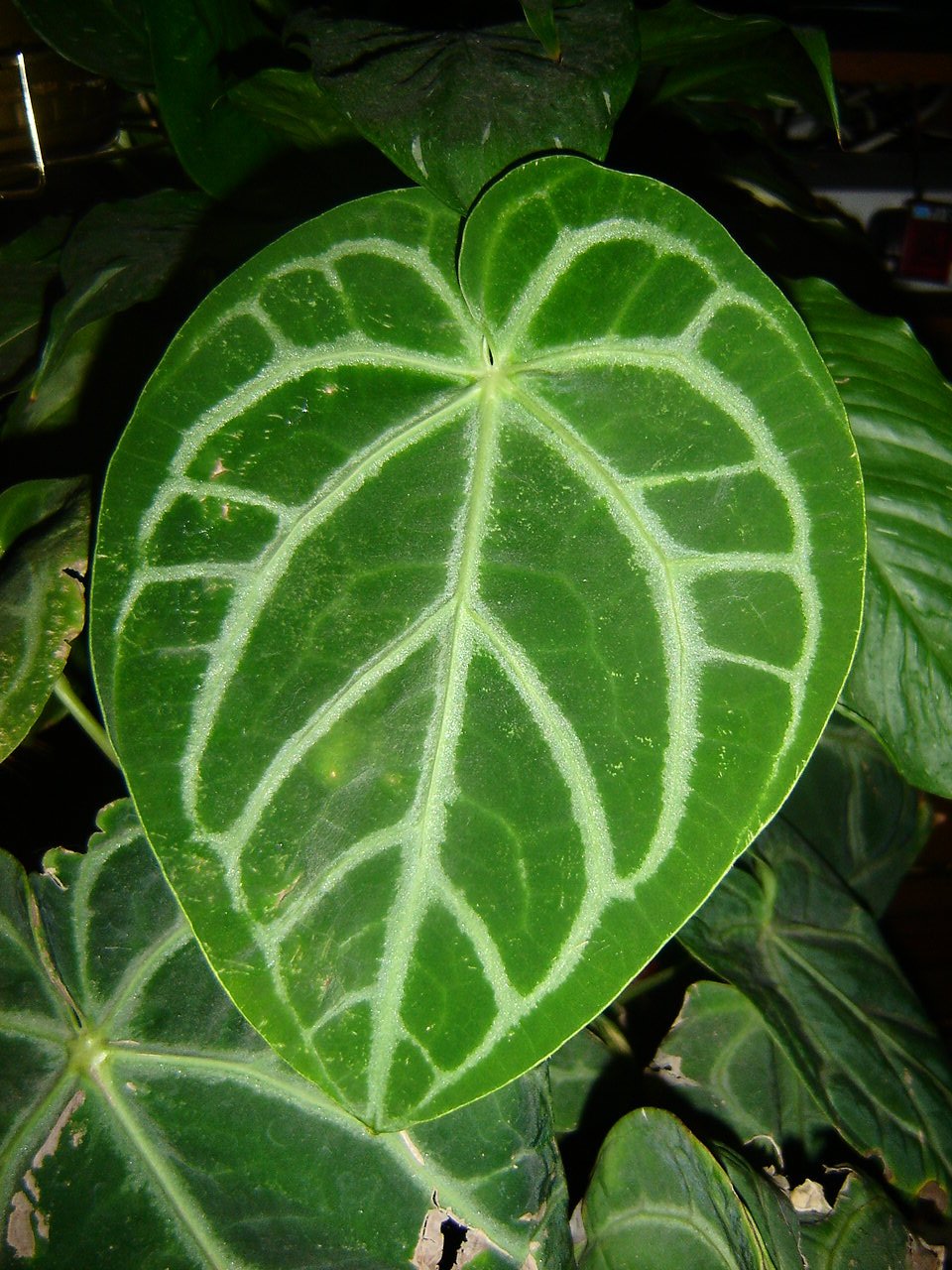
Dive deeper: a collector’s checklist that prevents “show regret”
Timing strategy
- Best for selection: Early on Day 1 is usually best for rare items and first-pick quality (confirm opening hours before visiting).
- Best for calmer browsing: Mid-afternoon can thin crowds, but the most sought-after plants may be gone.
- Best for negotiated pricing: Late Day 3 can produce deals on remaining stock, but only if missing out on specific clones is acceptable.
Budget strategy (avoid overspending)
Use three budget envelopes:
- Core list: A small number of plants already proven in the grow space (light, humidity, temperature).
- Stretch list: Higher-risk genetics or upgrades (bigger specimen, rarer clone) that still match the environment.
- Curiosity list: One experimental plant max, chosen for learning value—not hype.
Carrying and protection
- Bring a rigid tote or box that can hold upright pots, plus paper or cardboard sleeves to protect leaves. Plastic bags can trap heat; if used, keep them loose and avoid sealing warm plants.
- Pack labels and a marker. Many show purchases come with tags, but adding a personal label prevents mix-ups when multiple similar plants are bought.
- Keep paper towels and a small trash bag for loose medium, damp wrapping, or quick cleanup.
After-purchase triage (same day)
- Do not repot immediately unless the medium is clearly unsuitable. Sudden medium changes plus new environment stress can push borderline plants into decline.
- Quarantine new plants at home. A show is a concentrated plant environment; even careful vendors cannot guarantee zero pest exposure.
What plant health checks help buyers avoid pests and weak stock?
Beautiful leaves can hide weak roots, poor acclimation, and pests that spread fast at home. The goal is to spot problems in under two minutes per plant and make calm, consistent decisions.
The festival is presented as a collector-focused event with specialist vendors, but risk still exists whenever many plants gather in one place. Simple inspection habits—done every time—reduce losses and protect existing collections.
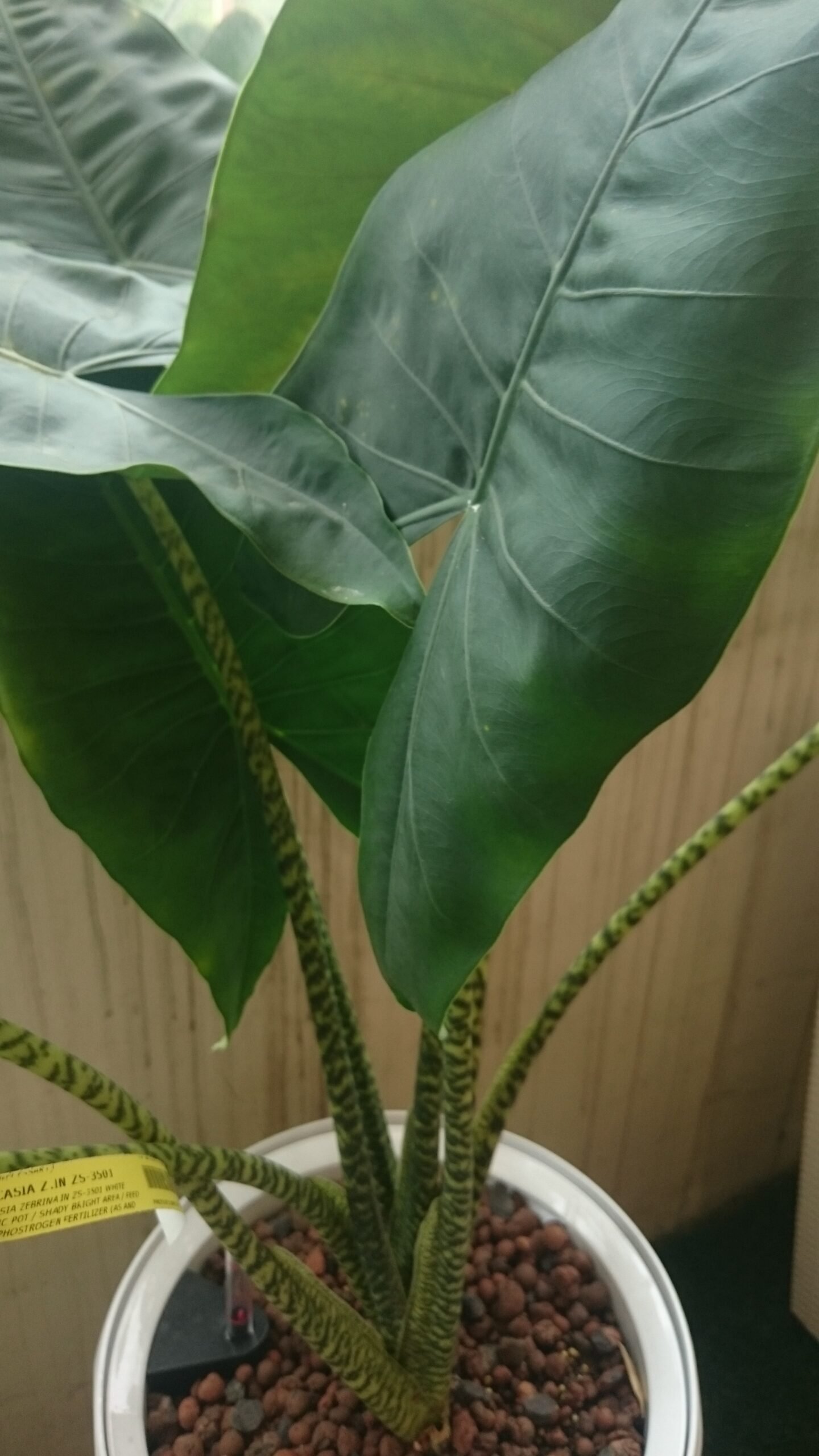
Dive deeper: the fast inspection routine (orchids and aroids)
Step 1: Leaf surface and undersides (15–30 seconds)
- Look for stippling, silvery scarring, or fine webbing (common red flags for mites or thrips).
- Check the petiole junction and new growth points where pests hide.
- Avoid plants with widespread yellow speckling that is not explained by normal variegation.
Step 2: Stem/crown firmness (10 seconds)
- For aroids, gently test whether the stem feels firm and stable in the pot. A wobbling stem can signal weak roots or rot.
- For orchids, check whether pseudobulbs (if present) are overly shriveled or soft.
Step 3: Root zone (20–40 seconds)
- Prefer plants with visible healthy roots: white/cream roots on many aroids; plump, active roots on orchids depending on type.
- Smell matters. A sour odor from the medium can indicate anaerobic conditions and root issues.
Step 4: Medium sanity check (10 seconds)
- If the medium is soaked and heavy, transport risk increases—especially in warm weather. That does not always mean “bad,” but it changes the plan: keep airflow high and avoid sealing the plant in plastic.
Step 5: Ask one question that reveals acclimation
- “What light and humidity was this grown in?”
A clear, consistent answer is a strong signal. If the plant was grown in very high humidity, expect an acclimation period and plan quarantine and gradual adjustment.
Decision rule
- If inspection reveals multiple small concerns, skip it. A show is full of options, and the cost of introducing pests or rot into a collection is higher than missing a single plant.
Event highlights and who it suits
What makes this event distinct (concrete features)
- A large indoor venue (Fuchs Pavilion) described as air-conditioned and comfortable for multi-hour browsing.
- A vendor lineup presented as 60+ specialised sellers with an emphasis on orchids, aroids, and rare tropical plants, plus “support” categories like supplies and botanical art.
- Complimentary raffle activity is listed, with e-ticket holders entered automatically and children under 12 admitted free.
Best suited for
- Orchid buyers who value in-person inspection and clear labeling.
- Aroid and foliage collectors comparing size classes, variegation patterns, and root health on the spot.
- Growers upgrading setups (substrates, pots, supports) who want to handle products before purchasing.
Who may not enjoy it
- Visitors expecting bargain pricing on common houseplants.
- Shoppers who dislike crowds or need a quiet, low-sensory environment.
- Buyers unwilling to quarantine new plants after a show.
Do-not-miss priorities
- Walk the floor once before purchasing.
- Prioritise vendors with consistent labeling and transparent growing information.
- Plan purchases around transport safety (rigid tote, leaf protection, heat awareness).
Video: a quick walkthrough to understand the show atmosphere
For a realistic sense of vendor density, table layouts, and the kind of inventory often shown in Miami, this walkthrough-style video is a useful preview (Rare plant festival 2025):
Readers can also check our 2026 Event Calendar for a comprehensive overview of upcoming plant and garden events.
References
- Rare Plants and Orchid Festival (May 01, 2026 – May 03, 2026) listing (Greater Miami Convention & Visitors Bureau / Miamiandbeaches)
- Miami-Dade County Fair & Expo Center — Upcoming Events (shows “The Rare Plant Festival,” May 1–3, 2026) (Miami-Dade County Fair & Exposition, Inc.)
- Rare Plant Festival — official website (Rare Plant Festival — Official)
Conclusion
Rare Plant Festival Miami 2026 is best approached as a collector’s trip: arrive early, inspect fast, buy deliberately, and protect plants through transport and quarantine to make the weekend worth the time and spend.