Solar Engineering: The Morphology, Anatomy, and Evolutionary Strategies of Leaves
If the roots are the anchors and the stem is the scaffolding, then the Leaf is the power plant of the botanical world. It is a biological masterpiece engineered for one primary purpose: capturing photons to fuel the alchemy of photosynthesis. In the realm of Seed Plants , the leaf is the most dynamic and diverse organ, capable of shifting its shape from broad, sun-soaking fans to needle-thin water conservers.
In this 10th installment of our botany series, we dive deep into the world of foliage. We will break down the structural components of a “perfect” leaf, explore the mesmerizing patterns of venation, and decode the internal cellular factory that turns sunlight into sugar.
The Blueprint of a Leaf: External Morphology
A leaf is not just a green blade. To the botanical eye, it is a complex assembly of three primary parts. When a plant possesses all three, it is known as a Complete Leaf.
- Blade / Lamina : The expanded, flattened portion where the magic of photosynthesis happens. Its broad surface area is a deliberate design to maximize light absorption.
- Petiole : The stalk that connects the blade to the stem. It acts as a flexible joint, allowing the leaf to twist and angle itself toward the sun while moving with the wind to prevent tearing.
- Stipules : Small, scale-like or leaf-like appendages found at the base of the petiole. They often protect the young leaf while it is still in the bud.
Plants lacking one or more of these parts (such as those without petioles, known as Sessile leaves) are called Incomplete Leaves .
Diversity in Design: Leaf Shapes and Margins
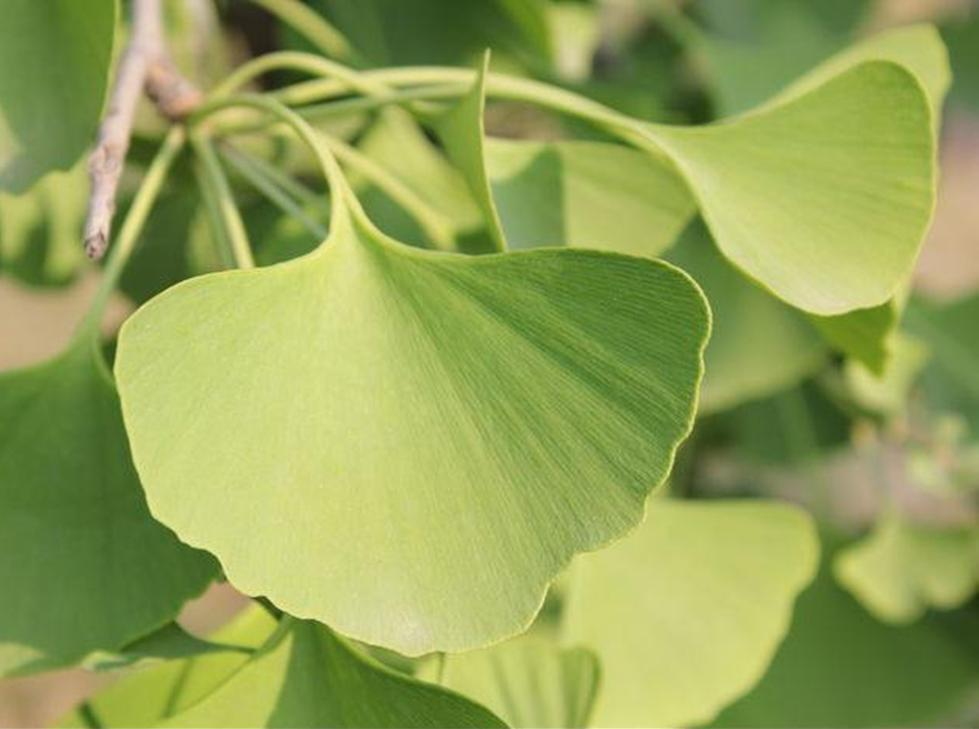
Nature rarely repeats itself. The diversity of leaf shapes—Leaf Apex , Leaf Base , and Leaf Margin—is an evolutionary response to specific habitats.
- Leaf Shape : From the perfectly Orbicular lotus to the Lanceolate willow and the Linear grasses, the silhouette of a leaf tells a story of its environment. Broad leaves thrive in the shade, while thin, needle-like leaves survive the freezing winds.
- Margins : The edge of the leaf can be Entire (smooth), Serrated , or Lobed . These serrations are not just decorative; they can influence how water drips off the leaf and how wind resistance is managed.
The Transport Grid: Venation Patterns
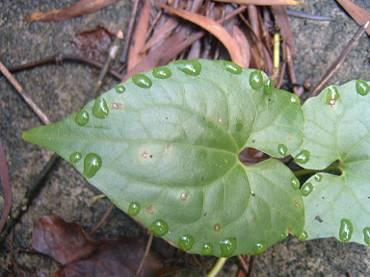
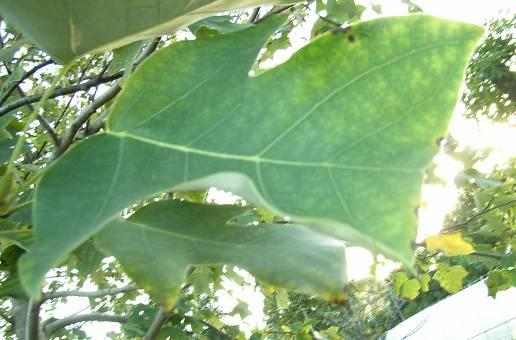
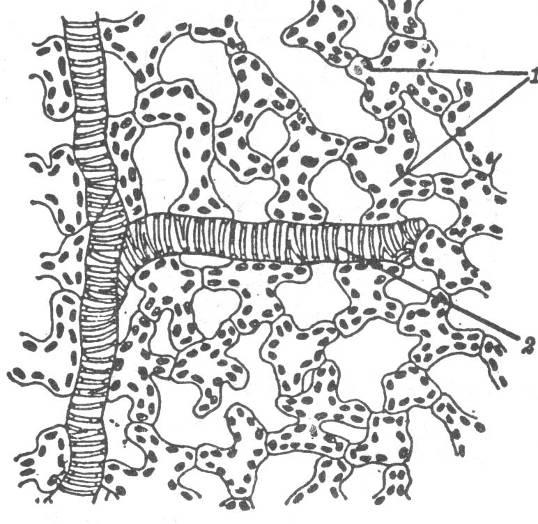
The “veins” of a leaf, known as Venation , are the leaf’s vascular system. They provide structural support (like the ribs of an umbrella) and transport water and nutrients.
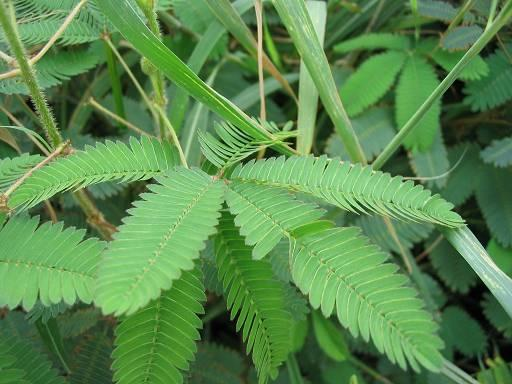
- Pinnate Venation : A single midrib with secondary veins branching off like a feather (e.g., Apple, Cherry).
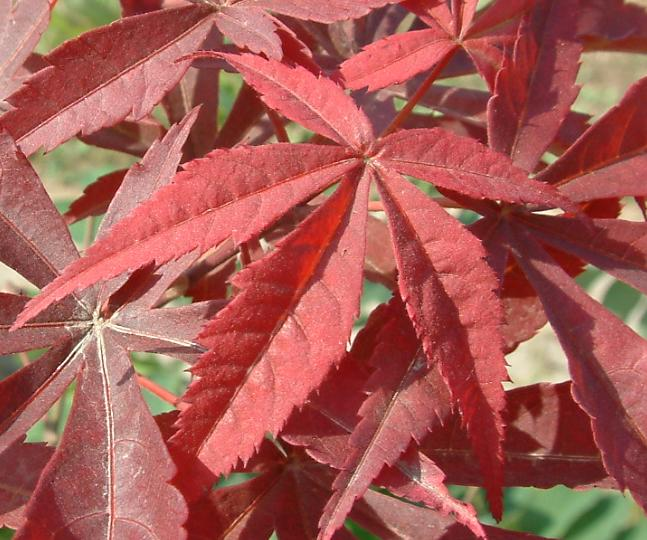
- Palmate Venation : Several main veins radiating from a single point at the base (e.g., Maple, Pumpkin).
- Parallel Venation : Common in monocots like corn and lilies, where veins run side-by-side without intersecting significantly.
Internal Tech: Anatomy of the Solar Factory
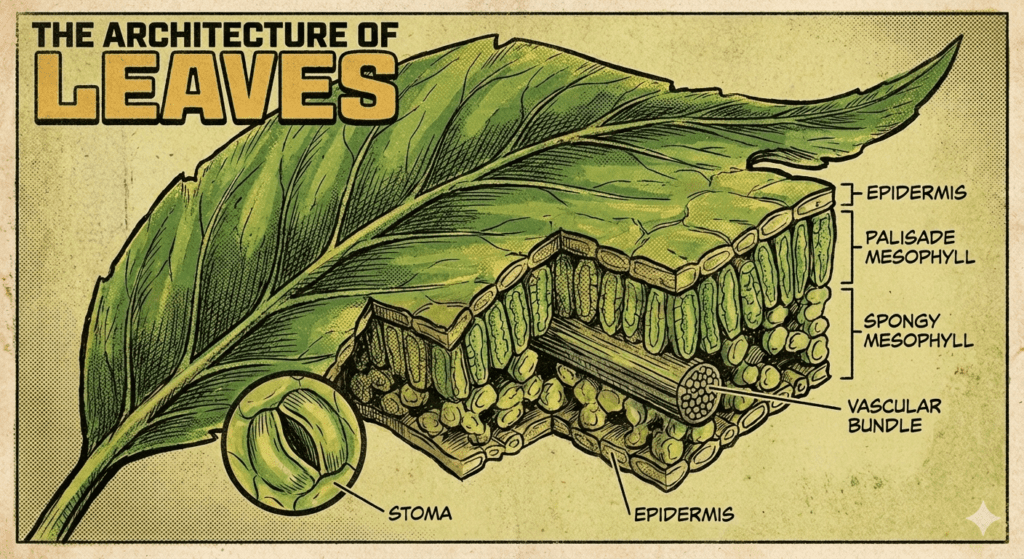
To see the true genius of a leaf, we must slice it thin and look under a microscope. A typical dicot leaf consists of three tissue systems:
1. The Epidermis
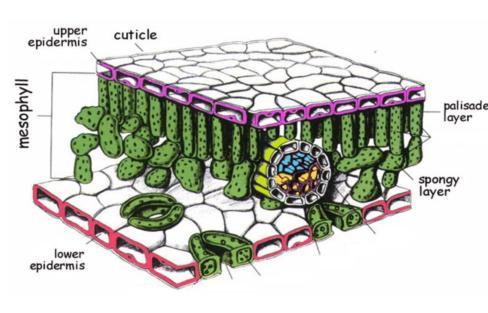
The leaf’s “skin” is a transparent layer of cells that allows light to pass through. It is covered by a waxy Cuticle to prevent dehydration.
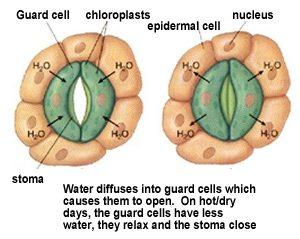
- Stomata : These are the “nostrils” of the plant. Each stoma is flanked by two Guard Cells that open and close the pore to regulate gas exchange and water loss (Transpiration).
2. The Mesophyll
This is where the heavy lifting of photosynthesis occurs. In many leaves, it is divided into two layers:
- Palisade Mesophyll : Located under the upper epidermis, these column-like cells are packed with chloroplasts to catch the direct sunlight.
- Spongy Mesophyll : Located above the lower epidermis, these loosely packed cells allow gases to circulate freely.
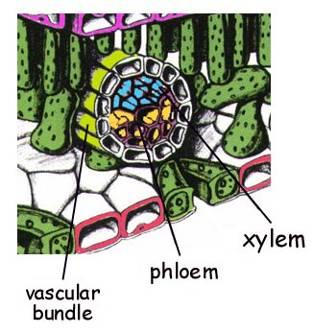
3. The Vascular Bundles
Embedded in the mesophyll, these bundles contain Xylem on the top side to bring water from the roots and Phloem on the bottom side to export sugar to the rest of the plant.
The Shapeshifters: Leaf Modifications
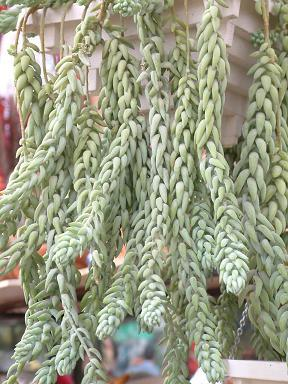
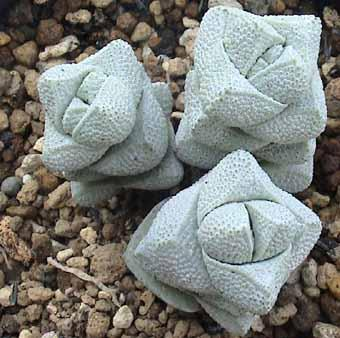
Just like stems, leaves can transform to perform specialized tasks. These are Modified Leaves .
- Leaf Spines : In cacti, leaves are reduced to sharp spines to protect against herbivores and reduce water loss. The stem takes over photosynthesis.
- Leaf Tendrils : In peas, part of the leaf becomes a sensitive coiling thread to help the plant climb.
- Storage Leaves : In an onion bulb, the fleshy layers are actually modified leaves that store food.
- Bracts : Often brightly colored to mimic petals and attract pollinators, like in Poinsettia or Bougainvillea.
Conclusion: The Green Engine of Life
The leaf is a silent, solar-powered engine that sustains almost all life on Earth. Its evolution from simple scales to complex, high-efficiency biological solar panels is a testament to the ingenuity of nature. By understanding the leaf, we understand how a plant breathes, eats, and ultimately survives in a changing world.